(Down below in english en français Incluido el español) Der letzte Tag an unserem Strand, der kleinen Palme und dem kleinen Ort mit den freundlichen Leuten.
Ein letztes Mal Wasser und Brot holen, Griechen beim Flanieren und Urlaubern beim chillen zusehen. Ruhe genießen, auch wenn die Wellen toben.
Dann zu Jiannis, Wäsche waschen und ein vorletztes Mal schnacken, wie es nur mit Freunden möglich ist. Dann runter zu seinem Strand, da, wo die Sonne braucht, bis man sie sieht, weil ein begrünter Felsen alles in Schatten taucht.
Vier Wochen waren wir schon wieder hier und haben viel über Griechenland gelernt. Nicht alles findet man in Büchern, vieles steht nur in den Facetten seiner Bürger geschrieben. Das Zaghafte, Verletzlichen und das Liebevolle.
Griechen sind still, bisweilen zu still, sie bedrängen einen nicht mit ihrem Leben, sie freuen sich über das Schöne und leiden allein.
Griechenland ist wie Urlaub für die bedrängte Seele, viel Platz zum verweilen, viel Ruhe zum Denken und so viel frische Luft zum durchatmen.
Ich werde dieses wundervolle Land immer im Herzen tragen, nie vergessen und hoffentlich zur kommenden Olivenernte wieder besuchen. Jiannis Vater wartet schon und ich freue mich auf Jiannis, denn selten hat ein Freund so gut getan, wie auf dieser Reise.
Bis morgen,
Euer Ulf. English
Adiós a Grecia The last day on our beach, the little palm tree and the small town with the friendly people.
Getting water and bread for the last time, watching Greeks strolling around and holidaymakers chilling out. Enjoying the peace and quiet, even when the waves are raging.
Then to Jiannis, to do the laundry and have a chat for the last time, as is only possible with friends. Then down to his beach, where the sun takes a while to appear because a green cliff bathes everything in shade.
We’ve been back here for four weeks and have learned a lot about Greece. Not everything can be found in books, much is only written in the facets of its citizens. The timid, the vulnerable and the loving.
The Greeks are quiet, sometimes too quiet, they don’t press you with their lives, they rejoice in beauty and suffer alone.
Greece is like a vacation for the oppressed soul, lots of space to think, lots of peace to think and so much fresh air to breathe.
I will always carry this wonderful country in my heart, never forget it and hopefully visit it again for the coming olive harvest. Jiannis‘ father is already waiting and I am looking forward to seeing Jiannis, because rarely has a friend done as much good as on this trip.
See you tomorrow,
Your Ulf
français
Adiós a Grecia Dernier jour sur notre plage, le petit palmier et la petite ville avec ses habitants sympathiques.
Aller chercher une dernière fois de l’eau et du pain, regarder les Grecs flâner et les vacanciers chiller. Profiter du calme et de la paix, même lorsque les vagues se déchaînent.
Puis aller chez Jiannis pour faire la lessive et discuter une dernière fois, comme on ne peut le faire qu’entre amis. Puis descendre vers sa plage, où le soleil met un certain temps à apparaître, car un rocher vert plonge tout dans l’ombre.
Cela fait maintenant quatre semaines que nous sommes de retour ici et nous avons beaucoup appris sur la Grèce. Tout ne se trouve pas dans les livres, beaucoup ne s’écrit que sur les visages de ses citoyens. Les timides, les vulnérables et les affectueux.
Les Grecs sont calmes, parfois trop calmes, ils ne vous harcèlent pas de leur vie, ils se réjouissent de la beauté et souffrent seuls.
La Grèce est comme des vacances pour l’âme opprimée, beaucoup d’espace pour penser, beaucoup de calme pour réfléchir et tellement d’air frais à respirer.
Je garderai toujours ce merveilleux pays dans mon cœur, je ne l’oublierai jamais et j’espère y retourner pour la prochaine récolte des olives. Le père de Jiannis m’attend déjà et je me réjouis de retrouver Jiannis, car rarement un ami a fait autant de bien que pendant ce voyage.
Nous nous verrons demain,
Votre Ulf
español
Adiós a Grecia Último día en nuestra playa, la pequeña palmera y el pueblecito con sus amables habitantes.
Cogiendo agua y pan por última vez, viendo a los griegos pasear y a los veraneantes relajarse. Disfrutar de la tranquilidad, incluso cuando las olas arrecian.
Luego ir a Jiannis a hacer la colada y charlar una última vez, como sólo se puede hacer entre amigos. Luego bajar a su playa, donde tarda en salir el sol porque una roca verde lo baña todo de sombra.
Llevamos aquí cuatro semanas y hemos aprendido mucho sobre Grecia. No todo está escrito en los libros, mucho sólo está escrito en los rostros de sus ciudadanos. Los tímidos, los vulnerables y los cariñosos.
Los griegos son tranquilos, a veces demasiado, no te presionan con sus vidas, disfrutan de la belleza y sufren solos.
Grecia es como unas vacaciones para el alma reprimida, mucho espacio para pensar, mucha paz para reflexionar y mucho aire fresco para respirar.
Siempre llevaré este maravilloso país en mi corazón, nunca lo olvidaré y espero volver allí para la próxima cosecha de aceitunas. El padre de Jiannis ya me está esperando y estoy muy contenta de volver a ver a Jiannis, porque pocas veces un amigo ha hecho tanto bien como en este viaje.
(Down below in english en français Incluido el español) Als meine Mutter heute vor 49 Jahren vor Schmerzen schrie,wusste sie noch nicht, dass es mit der vergangenen Momentaufnahme nicht getan ist, denn die Jahre danach sollten sich anders als geplant verhalten.
So anders, dass ich bereits 92 Seiten darüber geschrieben habe. Es war gut so, auch wenn es selten einfach war, denn was mich geprägt hat war vielleicht kein goldener Löffel, aber unzählige Wege ihn zu bekommen.
Egal ob Schauspiel, Abitur, Philosophie,Radio, Werbung oder Lehrer, es musste was mit Feedback sein, denn das eigene Selbstwertgefühl war seit jeher zu klein.
Erst jetzt, nachdem wir irgendwo im Süden sind, scheine ich angekommen, bei mir. Ich kann schreiben ohne zu trauern. Endlich einfach erzählen, was war oder wie es in Erinnerung thront.
So, wie es das Handeln motiviert und endlich in einem Charakter verschmolzen ist. Als würde sich römische mit griechischer Antike versöhnen.
Wir sind eins, gehören zusammen, auch wenn wir getrennt erinnert werden.
Und wenn auch meine Geschichte irgendwann andere Interessant finden, vielleicht sogar noch nach weiteren Geschichten gieren, da dieser Blog ja auch nur die halbe Wahrheit; um nur ein Beispiel zu nennen, dann will ich wieder einfach nur schreiben können, für alle, die sich gern in fremde Welten träumen.
So wie ich mich gleich in einem Meer aus blau und weiss, nur für mich.
Bis morgen Abend, Euer Ulf
English Was it worth it?
When my mother cried out in pain 49 years ago today, she didn’t know that the past snapshot would not be enough, because the years that followed would turn out differently than planned.
So different that I have already written 92 pages about it. It was a good thing, even if it was rarely easy, because what shaped me was perhaps not a golden spoon, but countless ways to get it.
Whether it was acting, A-levels, philosophy, radio, advertising or teaching, it had to be something with feedback, because my own self-esteem had always been too small.
Only now that we are somewhere in the south do I seem to have arrived, with myself. I can write without mourning. At last I can simply tell what happened or how I remember it.
The way it motivates action and has finally merged into a character. As if Roman antiquity were reconciled with Greek antiquity.
We are one, we belong together, even if we are remembered separately.
And if at some point others find my story interesting, perhaps even crave more stories, since this blog is only half the truth, to name just one example, then I just want to be able to write again, for all those who like to dream themselves into strange worlds.
Just like me, in a sea of blue and white, just for me.
See you tomorrow evening, Your Ulf
français Cela en valait-il la peine ?
Lorsque ma mère a poussé un cri de douleur il y a 49 ans aujourd’hui, elle ne savait pas que l’instantané passé ne suffirait pas, car les années suivantes seraient différentes de ce qui était prévu.
Si différentes que j’ai déjà écrit 92 pages à ce sujet. Et c’était bien ainsi, même si cela a rarement été facile, car ce qui m’a marqué n’était peut-être pas une cuillère en or, mais d’innombrables façons de l’obtenir.
Qu’il s’agisse d’art dramatique, de baccalauréat, de philosophie, de radio, de publicité ou d’apprentissage, il fallait que ce soit quelque chose avec un feedback, car ma propre estime de moi était toujours trop petite.
Ce n’est que maintenant, alors que nous sommes quelque part dans le sud, que je semble être arrivée, chez moi. Je peux écrire sans avoir de chagrin. Je peux enfin raconter simplement ce qui s’est passé ou comment je m’en souviens.
La manière dont cela a motivé l’intrigue et s’est finalement fondu dans un personnage. Comme si l’antiquité romaine était réconciliée avec l’antiquité grecque.
Nous ne faisons qu’un, nous appartenons l’un à l’autre, même si on se souvient de nous séparément.
Et si un jour d’autres personnes trouvent mon histoire intéressante, et ont peut-être même envie de lire d’autres histoires, car ce blog n’est qu’une moitié de la vérité, pour ne citer qu’un exemple, je veux simplement pouvoir écrire à nouveau, pour tous ceux qui aiment se rêver dans des mondes étrangers.
Comme moi, dans un océan de bleu et de blanc, rien que pour moi.
À demain soir, Votre Ulf
español ¿Mereció la pena? Cuando mi madre soltó un grito de dolor hoy hace 49 años, poco sabía que la instantánea pasada no sería suficiente, porque los años siguientes serían diferentes de lo que ella había planeado.
Tan diferentes que ya he escrito 92 páginas sobre ello. Y eso fue algo bueno, aunque rara vez fue fácil, porque lo que me caracterizaba quizá no era una cuchara de oro, sino innumerables oportunidades de conseguirla.
Ya fuera la interpretación, el bachillerato, la filosofía, la radio, la publicidad o la enseñanza, tenía que ser algo con feedback, porque mi propia autoestima siempre era demasiado baja.
Sólo ahora que estamos en algún lugar del sur parece que he llegado, a casa. Puedo escribir sin sentir pena. Por fin puedo contar lo que pasó o cómo lo recuerdo.
Cómo motivó la trama y finalmente se fundió con un personaje. Como si la antigüedad romana se hubiera reconciliado con la griega.
Somos uno, nos pertenecemos, aunque se nos recuerde por separado.
Y si un día otras personas encuentran mi historia interesante y quizás incluso quieran leer más historias, porque este blog es sólo la mitad de la verdad, por poner sólo un ejemplo, entonces simplemente quiero poder volver a escribir, para todos aquellos a los que les gusta soñar en mundos extraños.
Como yo, en un océano de azul y blanco, sólo para mí.
(Down below in english en français Incluido el español) Die Griechen wissen es schon seit 1838, denn in diesem Jahr entschieden sie die Freiheitskämpfe gegen die Türken.
Übrigens: Istanbolu ist griechisch und bedeutet so viel wie „in die Stadt“ für alle, die bei Konstantinopel noch Mal nen Joker brauchen.
Jedenfalls wundert mich nicht mehr, dass ich Griechenland so mag, denn am 25. März feiert man dank orthodoxer Kirche auch Mariä Verkündigung, die Geschichte erzähle ich an anderer Stelle.
Hier, wo Zeus untreu und Epicur konsequent dachte, weiss man, wie man die Ritter der Waiküre empfängt, mit einem Feiertag!
Die Straßen sind geschmückt, Familien sind am Strand und die Nationalbrust befriedigt.
Wisst ihr, wie lange ich nach einem würdigen Namenspatron für meinen Geburtstag suchte? Unzählige Male suchte ich vergeblich nach Alternativen zu Elton John, Tracy Chapman und, na gut, Charly Chaplin.
Aber ich suchte was Heiliges, wie den 4. Juli, den amerikanischen Nationalfeiertag, an den ich meine Führerscheinprüfung bestand oder wenigstens was wie Weihnachten. Aber „good Bye englands Rose“?
Endlich ist auch diese Baustelle abgenommen. Der Bauherr ist glücklich über die Hilfe des Zufalls, den wo die Logik einen Sinn sucht, wird sie immer einen finden
Bis morgen Abend,
Euer Ulf
English Logic always finds a way
The Greeks have known this since 1838, because in that year they decided the fight for freedom against the Turks.
By the way: Istanbolu is Greek and means something like „into the city“ for all those who need another joker for Constantinople.
Anyway, I’m no longer surprised that I like Greece so much, because thanks to the Orthodox Church, the Annunciation is also celebrated on March 25.
Here, where Zeus thought unfaithfully and Epicurus consistently, they know how to welcome the Knights of the Waiküre, with a holiday!
The streets are decorated, families are on the beach and the national breast is satisfied.
Do you know how long I searched for a worthy patron saint for my birthday? Countless times I searched in vain for alternatives to Elton John, Tracy Chapman and, well, Charly Chaplin.
But I was looking for something sacred, like the 4th of July, the American national holiday on which I passed my driving test, or at least something like Christmas. But „good bye English rose“?
This building site is finally finished. The builder is happy to have the help of chance, because where logic seeks meaning, it will always find it
See you tomorrow evening,
Your Ulf
français La logique trouve toujours un moyen
Les Grecs le savent depuis 1838, car c’est cette année-là qu’ils ont décidé de lutter pour la liberté contre les Turcs.
Notons au passage qu’Istanbolu est un mot grec qui signifie „dans la ville“ pour tous ceux qui ont encore besoin d’un joker pour Constantinople.
Quoi qu’il en soit, je ne m’étonne plus que la Grèce me plaise autant, car grâce à l’Église orthodoxe, on y fête aussi l’Annonciation le 25 mars.
Ici, où Zeus était incrédule et Épicure cohérent, on sait comment accueillir les chevaliers de l’onde : en leur offrant un jour férié !
Les rues sont décorées, les familles sont à la plage et la poitrine nationale est satisfaite.
Savez-vous combien de temps j’ai passé à chercher un patron digne de ce nom pour mon anniversaire ? Un nombre incalculable de fois, j’ai cherché en vain des alternatives à Elton John, Tracy Chapman et, eh bien, Charly Chaplin.
Mais je cherchais quelque chose de sacré, comme le 4 juillet, la fête nationale américaine, le jour où j’ai réussi mon examen de conduite, ou au moins quelque chose comme Noël. Mais „good bye English rose“ ?
Ce chantier est enfin terminé. Le maître d’œuvre est heureux de l’aide du hasard, car là où la logique cherche un sens, elle le trouvera.
À demain soir,
Ton Ulf
español
La lógica siempre encuentra un camino
Los griegos lo saben desde 1838, porque en ese año decidieron luchar por la libertad contra los turcos.
Por cierto, Istanbolu es una palabra griega que significa „en la ciudad“, para los que aún necesiten un comodín para Constantinopla.
Sea como fuere, ya no me sorprende que me guste tanto Grecia, porque gracias a la Iglesia Ortodoxa, la Anunciación también se celebra allí el 25 de marzo.
Aquí, donde Zeus era incrédulo y Epicuro consecuente, saben cómo recibir a los caballeros de la ola: ¡dándoles un día de fiesta!
Las calles se engalanan, las familias están en la playa y el pecho nacional está satisfecho.
¿Sabes cuánto tiempo pasé buscando un jefe digno para mi cumpleaños? Incontables veces he buscado en vano alternativas a Elton John, Tracy Chapman y, bueno, Charly Chaplin.
Pero yo buscaba algo sagrado, como el 4 de julio, los días festivos estadounidenses, el día que aprobé el examen de conducir o, al menos, algo parecido a la Navidad. ¿Pero „adiós rosa inglesa“?
Por fin está terminada la obra. El constructor se alegra de la ayuda del azar, porque allí donde la lógica busca el sentido, lo encuentra.
(Down below in english en français Incluido el español) Edgar Alan Poe, einer der Meister des Horrors und Grusels, spielte viel mit der Imagination, also Vorstellungskraft seiner Protagonisten.
Wenn Polizisten concludieren, entsteht ein philosophisches Feuerwerk aus Ursache und Wirkung, wie sie nur menschlicher Geist erdenken oder verstehen kann.
Seine Kompetenz lag meines Erachtens also nicht im gruseligen Tatbestand der Vergiftung, um nur ein Beispiel zu nennen,sondern in der Verbindung zwischen Opfer und Täter.
Opfer und Täter waren,in den meisten Geschichten Unschuldige, die, wie eine Mutter zum Kind kamen. Plötzlich, meist bei Nacht, oder zumindest zu kalter, Farbarmer Stunde, wenn es nieselt oder der Nebel alles in eine undurchsichtige Wolke taucht, platzt einem der Kragen oder konkretisiert sich ein Schlachtplan. Um 5 oder noch früher da oder da, am Galgen, ohne Kopf, leblos.
Besser, wenn alle noch schlafen. Dann kann es jeder gewesen sein, denn da wird man ja nicht gesehen. Aber das Netz persönlichkeitsbestimmender Erfahrungen verliert auch Nachts nicht den Halt, man sieht es nur scheinbar noch weniger als Tagsüber, denn Nachts sieht man seine eigenen Fehler nicht, vielleicht übersehen sie ja andere auch?
Die Nacht scheint mir wie ein Dachboden für Kinder. Wenn keiner da ist, traut man sich zu gucken; in die Truhe, die Seele und die Nacht.
Denn nie brennt das Feuer der Rachelust so heiß, wie Abends, wenn man spürt, wie leer der Tag eigentlich war, oder?
Bis morgen Abend,
Euer Ulf
English
Lust for revenge
Edgar Alan Poe, one of the masters of horror and horror, played a lot with the imagination of his protagonists.
When policemen conspire, the result is a philosophical firework display of cause and effect that only the human mind can conceive or understand.
In my opinion, his expertise lay not in the gruesome crime of poisoning, to name just one example, but in the connection between victim and perpetrator.
In most stories, the victims and perpetrators were innocent people who came to the child like a mother. Suddenly, usually at night, or at least at a cold, low hour, when it is drizzling or the fog bathes everything in an opaque cloud, one’s collar bursts or a battle plan takes shape. There or there at 5 or even earlier, on the gallows, headless, lifeless.
Better if everyone is still asleep. Then it could have been anyone, because you can’t be seen. But the web of personality-defining experiences doesn’t lose its grip at night either, you just seem to see it even less than during the day, because at night you don’t see your own mistakes, maybe others overlook them too?
The night seems to me like an attic for children. When no one is around, you dare to look into the chest, the soul and the night.
Because the fire of revenge never burns as hot as in the evening, when you can feel how empty the day has actually been, can you?
See you tomorrow evening,
Your Ulf
français
Envie de vengeance
Edgar Alan Poe, l’un des maîtres de l’horreur et de l’épouvante, a beaucoup joué avec l’imagination de ses protagonistes.
Lorsque des policiers conspirent, il en résulte un feu d’artifice philosophique de causes et d’effets que seul l’esprit humain peut appréhender ou comprendre.
Selon moi, sa compétence ne résidait pas dans le crime atroce de l’empoisonnement, pour ne citer qu’un exemple, mais dans le lien entre la victime et le criminel.
Dans la plupart des histoires, les victimes et les coupables étaient des personnes innocentes qui, comme une mère, venaient voir l’enfant. Soudain, généralement la nuit ou du moins à une heure froide et profonde, quand il bruine ou que le brouillard enveloppe tout d’un nuage opaque, le col explose ou un plan de bataille prend forme. Là ou là, à cinq heures ou même plus tôt, à la potence, sans tête, sans vie.
Mieux vaut que tout le monde dorme encore. Alors tout le monde pourrait l’avoir fait, car on ne peut pas être vu. Mais le réseau des expériences qui déterminent la personnalité ne perd pas sa prise, même la nuit, on semble seulement le voir encore moins que le jour, parce que la nuit, on ne voit pas ses propres erreurs, peut-être que d’autres les ignorent aussi ?
La nuit me semble être un grenier pour les enfants. Quand personne n’est là, on ose regarder dans sa poitrine, dans son âme et dans la nuit.
Car le feu de la vengeance ne brûle jamais aussi fort que le soir, quand on sent à quel point la journée a été en fait vide, n’est-ce pas ?
À demain soir,
Ton Ulf
español
Deseo de venganza
Edgar Alan Poe, uno de los maestros del horror y el terror, jugaba mucho con la imaginación de sus protagonistas.
Cuando los policías conspiran, surge una pirotecnia filosófica de causas y efectos que sólo la mente humana puede captar o comprender.
En mi opinión, su maestría no residía en el horripilante crimen del asesinato por envenenamiento, por poner un ejemplo, sino en la conexión entre víctima y victimario.
En la mayoría de los relatos, la víctima y el autor eran personas inocentes que visitaban al niño como una madre. De repente, normalmente de noche o al menos a una hora baja y fría, cuando llovizna o la niebla lo envuelve todo en una nube opaca, estalla el collar o toma forma un plan de batalla. Aquí o allá, a las cinco o incluso antes, a la horca, sin cabeza, sin vida.
Lo mejor es que todos sigan durmiendo. Entonces todos podrían haberlo hecho, porque no te pueden ver. Pero la red de experiencias que determina tu personalidad no pierde fuerza por la noche, sólo que parece que la ves aún menos que durante el día, porque por la noche no ves tus propios errores, ¿quizá los demás también los ignoran?
La noche me parece un desván para los niños. Cuando no hay nadie cerca, te atreves a mirar en tu propio pecho, en tu propia alma y en la noche.
Porque el fuego de la venganza nunca arde con tanta fuerza como por la noche, cuando te das cuenta de lo vacío que ha estado realmente el día, ¿verdad?
(Down below in english en français Incluido el español. Und nur für Aristea heute auch auf griechisch „Στα ελληνικά“) Es gibt in der Natur Alternativen zum Geschlechterspezifikum, wie sagt man es ohne ernsthaft anmaßend zu sein? Vielleicht so: zum Unterschied. (Exemplarische Beispiele Sind Mann und Frau“(Was auch immer dass in voller Kontingenz, also vieldimensionierten Potentialen in conclusio, zusammengenommen, als Ergebnis „so da“, wie Heidegger der Nazi (Wertung!)es wohl nennen würde).
Eine davon nennt man auf Griechisch, wie passend: Autogamie (gr. αὐτό autó „selbst“, γάμος gamos „Ehe“), auch Selbstbefruchtung genannt, formuliert es Wikipedia meines Hauptschulabschlussbilogischen Erachtens passend, dass ich es fortlaufend zitiere „Autogamie ist eine Form der sexuellen Fortpflanzung, bei der nur ein Elternteil vorhanden ist oder genetisch zur Fortpflanzung beiträgt. Das bedeutet, dass ein Individuum in der Lage ist, sowohl weibliche als auch männliche Gameten zu bilden.
Durch Autogamie entstehen genetisch nahe verwandte Nachkommen, die aber – anders als bei ungeschlechtlicher Vermehrung – keinen identischen Genotyp haben. Das liegt an den Teilungsschritten bei der Bildung der Eizellen (Oogenese) und Spermienzellen (Spermatogenese). Die Gameten werden durch die meiotischen Teilungen vom Erbgut her verschieden. Dadurch entstehen bei den Befruchtungen in den Zygoten unterschiedliche Genkombinationen. Die Möglichkeiten der genetischen Rekombination sind allerdings deutlich geringer als bei aus verschiedenen Individuen hervorgehenden Nachkommen.
Autogamie ist also die Fähigkeit der Rekombination, also dem, was bei der UNS BEISPIELSWEISE geschlechtlichen Befruchtung, passiert, um sich SO fortzupflanzen. Überspitzt gesagt, Autogamie will den Unterschied von „Mann“ und „Frau“ verhindern.
Gibt es da noch andere? Fuck, fatalistischer Valsifizierbarkeit, also der Möglichkeit sich so zu geben, dass man wiederlegt werden kann,muss es sie geben, denn sonst gäb es keine Autogamie. WAS IST UNGESCHLECHTLISCHE VERMEHRUNG? Liegt hier der Schlüssel zum Glück, der Verschmelzung zum Primus inter pares, Gleicher unter Gleichen?
Die Agamie. Nie wieder: Wer steht auf und gibt Schreihals Fläschchen (Bewusste biologisch verargumrntierter, nicht poetischer Elipse, als Auslassung des Artikels bei Schreihals). Kein Xy ungelöst (für alle anderssprachigen: Einer damalig in Deutschland prominenten Kriminal“Show, im deutschsprachigen Fernsehen) sozusagen.
Nur ein paar Beispiele, um der Mutmaßung Raum zu geben, dass Gehirn vielleicht nicht die geilste Idee sein kann, sind (danke www und Wikipedia, again, ich sag immer hello again, ach ne, das war was anderes). Jedenfalls:
Quer- oder Längsteilung der Zellen bei Einzellern, z. B. bei Archaeen, Bakterien und einzelligen Algen oder Zytogonie, Abschnürung von Tochterzellen von einer Mutterzelle bei Protozoen. Oh, manchmal nicht die schlechteste Idee, oder Schizogonie, Zerfall einer Zelle in viele Zellen bei einigen Protozoen, also Sprossung und Abschnürung wie bei Hefen, Brot, Bier, Kuchen usw. Oder im prakmatischen Alltag „Ich will schwimmen gehen“, haa, schlechte Idee, denn hier Teilen sich Pilzfäden (Hyphen). Ein erstes deutsches Wort und es ist weiblich! Anstechung. Die Ansteckung mit Fußpilzen, Schimmelpilze bilden durch Mitose (genetische Teilung, was anderes als die Maiose oben) Sporen, die als Enden von Pilzhyphen erkennbar sind (Konidien- ja, entdecke die Möglichkeiten.
Die Lösung für das Deutsche Problem sind wieder mal Kartoffeln.
Reproduktion, ohne Befruchtung. Kein Ehekrach, kein Genderproblem, keine Sprachvarieteten.
Genies der Genetik, anders unter gleichen: eine genetische Vielfalt so perfekt, als gäbe es nur die USA, China, Russland, als „peaky fences“ – Tatort Gartenzaun.
Ich finde da „stolze Eltern“ schöner, auch wenn es objektiv gesehen „entspanntere Alternativen hätte (Konjunktiv,Also Möglichkeit).
Genießen wir unsere Art von Anders, durch die geistige Qualität der Möglichkeit auf Absurdität (Wertung!) , also Probleme zu Lieben (Sucht!).
Es ist vollbracht:
Danke Kartoffel!
Bis morgen,
Euer Ulf
English
Oracle Potato – The solution for everything! There are alternatives to gender in nature, how do you say it without being seriously pretentious? Perhaps like this: the difference. (Exemplary examples are „man and woman“ (whatever that in full contingency, i.e. multidimensional potentials in conclusio, taken together, as a result „so there“, as Heidegger the Nazi (valuation!) would probably call it) One of them is called in Greek, how fitting: autogamy (gr. αὐτό autó „self“, γάμος gamos „marriage“), also called self-fertilization, Wikipedia formulates it appropriately in my opinion, so that I quote it continuously „Autogamy is a form of sexual reproduction in which only one parent is present or genetically contributes to reproduction. This means that an individual is capable of producing both female and male gametes. Autogamy produces genetically closely related offspring, which – unlike asexual reproduction – do not have an identical genotype. This is due to the division steps involved in the formation of egg cells (oogenesis) and sperm cells (spermatogenesis). The gametes become different in terms of their genetic material as a result of the meiotic divisions. This results in different gene combinations in the zygotes during fertilization. However, the possibilities of genetic recombination are significantly lower than with offspring produced from different individuals.
Autogamy is therefore the ability to recombine, i.e. what happens during sexual fertilization in order to reproduce. To exaggerate, autogamy wants to prevent the difference between „man“ and „woman“. Are there any others? Fuck, fatalistic valsifiability, i.e. the possibility of giving oneself in such a way that one can be refuted, must exist, because otherwise there would be no autogamy. WHAT IS ASEXUAL REPRODUCTION? Is this the key to happiness, the fusion to primus inter pares, equal among equals?
Agamy. Never again: Who gets up and gives Schreihals a bottle (deliberate biological, non-poetic elipsis, as an omission of the article in Schreihals). No Xy unsolved (for all those who speak other languages: A prominent „crime“ show in Germany at the time, on German-language television), so to speak.
Just a few examples to give room to the speculation that brains may not be the coolest idea (thanks www and Wikipedia, again, I always say hello again, oh no, that was something else). Anyway:
Transverse or longitudinal division of cells in unicellular organisms, e.g. archaea, bacteria and unicellular algae, or cytogony, strangulation of daughter cells from a mother cell in protozoa. Oh, sometimes not the worst idea, or schizogony, disintegration of a cell into many cells in some protozoa, i.e. sprouting and strangulation as in yeasts, bread, beer, cake etc. Or in practical everyday life „I want to go swimming“, haa, bad idea, because here fungal threads (hyphae) divide. A first German word and it’s feminine! Infection. The infection with foot fungi, moulds form spores by mitosis (genetic division, which is different from maiosis above), which are recognizable as the ends of fungal hyphae (conidia- yes, discover the possibilities.
The solution to the German problem is once again potatoes.
Reproduction, without fertilization. No marital strife, no gender problem, no language variants.
Geniuses of genetics, different among equals: a genetic diversity as perfect as if there were only the USA, China, Russia, as „peaky fences“ – crime scene garden fence.
I find „proud parents“ more beautiful, even if, objectively speaking, there are „more relaxed alternatives“ (subjunctive mood, i.e. possibility).
Let’s enjoy our kind of different, through the mental quality of the possibility of absurdity (evaluation!), i.e. problems to love (addiction!).
It is done:
Thank you potato!
See you tomorrow,
Your Ulf
français
Oracle Potato – La solution à tout ! Il existe des alternatives au sexe dans la nature, comment le dire sans être sérieusement prétentieux ? Peut-être comme ceci : la différence. (Des exemples exemplaires sont „l’homme et la femme“ (quoi que cela puisse être en pleine contingence, c’est-à-dire des potentiels multidimensionnels in conclusio, pris ensemble, comme résultat „ainsi là“, comme Heidegger le nazi (jugement de valeur !) l’appellerait sans doute) L’un d’eux s’appelle en grec, comme il se doit : autogamie (gr. αὐτό autó „soi-même“, γάμος gamos „mariage“), aussi appelé autofécondation, Wikipédia le formule à mon avis de manière pertinente, je le cite donc en continu : „L’autogamie est une forme de reproduction sexuelle dans laquelle un seul des parents est présent ou contribue génétiquement à la reproduction. Cela signifie qu’un individu est capable de produire à la fois des gamètes femelles et des gamètes mâles. L’autogamie donne naissance à des descendants génétiquement très proches qui, contrairement à la reproduction asexuée, n’ont pas un génotype identique. Cela est dû aux étapes de division lors de la formation des ovules (ovogenèse) et des spermatozoïdes (spermatogenèse). En raison des divisions méiotiques, les cellules germinales se distinguent par leur patrimoine génétique. Il en résulte des combinaisons de gènes différentes dans les zygotes pendant la fécondation. Les possibilités de recombinaison génétique sont toutefois bien moindres que pour les descendants issus d’individus différents.
L’autogamie est donc la capacité de recombinaison, c’est-à-dire ce qui se passe lors de la fécondation sexuelle pour se reproduire. En forçant le trait, l’autogamie veut empêcher la différence entre „homme“ et „femme“. Il y en a d’autres ? Merde, l’infalsifiabilité fataliste, c’est-à-dire la possibilité de se donner de manière à pouvoir être réfuté, doit exister, sinon il n’y aurait pas d’autogamie. QU’EST-CE QUE LA REPRODUCTION ASEXUÉE ? Est-ce la clé du bonheur, la fusion pour devenir primus inter pares, l’égal parmi les égaux ?
L’agamie. Plus jamais : qui se lève et donne une bouteille à Schreihals (élipsis biologique consciente, non poétique, comme omission du articlè dans Schreihals). Pas de Xy non résolu (pour ceux qui parlent d’autres langues : Une „série policière“ éminente dans l’Allemagne de l’époque, à la télévision germanophone), pour ainsi dire.
Juste quelques exemples pour laisser place à la spéculation selon laquelle les cerveaux ne sont peut-être pas l’idée la plus cool (merci www et Wikipedia, je dis toujours bonjour, ah non, c’était autre chose). Quoi qu’il en soit :
Division transversale ou longitudinale des cellules chez les organismes unicellulaires, par exemple les archées, les bactéries et les algues unicellulaires, ou cytogonie, étranglement des cellules filles à partir d’une cellule mère chez les organismes unicellulaires. Oh, parfois pas la plus mauvaise idée, ou schizogonie, désintégration d’une cellule en de nombreuses cellules chez certains organismes unicellulaires, c’est-à-dire bourgeonnement et étranglement comme chez les levures, le pain, la bière, les gâteaux, etc. Ou dans la vie pratique de tous les jours „Je veux aller nager“, haa, mauvaise idée, car des filaments de champignons (hyphes) se divisent ici. Un premier mot allemand et il est féminin ! Infection . Lors d’une infection par des mycoses des pieds, les moisissures forment par mitose (division génétique différente de la maïose ci-dessus) des spores reconnaissables comme les extrémités d’hyphes fongiques (conidies – oui, découvrez les possibilités).
La solution au problème allemand est une fois de plus la pomme de terre.
Reproduction, sans fécondation. Pas de dispute conjugale, pas de problème de genre, pas de variantes linguistiques.
Des génies de la génétique, différents parmi leurs pairs : une diversité génétique aussi parfaite que s’il n’y avait que les Etats-Unis, la Chine, la Russie, comme „clôtures pointues“ – scène de crime clôture de jardin.
Je trouve les „parents fiers“ plus beaux, même si objectivement il existe des „alternatives plus détendues“ (conditionnel, c’est-à-dire possibilité).
Apprécions notre façon d’être différents, par la qualité mentale de la possibilité de l’absurdité (évaluation !), c’est-à-dire d’aimer les problèmes (addiction !).
C’est fait !
Merci, patate !
À demain, pour la suite,
Ton Ulf
español
Oracle Potato – ¡La solución para todo! Hay alternativas al sexo en la naturaleza, ¿cómo se puede decir eso sin ser seriamente pretencioso? Tal vez así: la diferencia. (Los ejemplos principales son „hombre y mujer“ (sea lo que sea eso en plena contingencia, a saber, potenciales multidimensionales in conclusio, tomados juntos, como resultado „tan ahí“, como probablemente lo llamaría Heidegger, el nazi (¡juicio de valor!)). Uno de ellos se llama en griego, como debe ser: autogamia (griego: αὐτό autó „uno mismo“, γάμος gamos „matrimonio“), también conocido como autofecundación, Wikipedia lo formula acertadamente en mi opinión, así que lo citaré continuamente: „La autogamia es una forma de reproducción sexual en la que sólo uno de los progenitores está presente o contribuye genéticamente a la reproducción. Esto significa que un individuo es capaz de producir tanto gametos femeninos como masculinos. En la autogamia se produce una descendencia genéticamente muy próxima que, a diferencia de la reproducción asexual, no tiene el mismo genotipo. Esto se debe a los pasos de división en la formación de óvulos (oogénesis) y espermatozoides (espermatogénesis). Debido a las divisiones meióticas, las células germinales difieren en su material genético. Esto da lugar a diferentes combinaciones de genes en los cigotos durante la fecundación. Sin embargo, las posibilidades de recombinación genética son mucho menores que en el caso de descendientes de distintos individuos.
La autogamia es, por tanto, la capacidad de recombinación, es decir, lo que ocurre durante la fecundación sexual para reproducirse. Si se lleva al extremo, la autogamia quiere evitar la diferencia entre „hombre“ y „mujer“. ¿Hay algo más? Mierda, la verificabilidad accidental fatalista, es decir, la posibilidad de darse de tal manera que uno pueda ser refutado, debe existir, de lo contrario no habría autogamia. ¿QUÉ ES LA REPRODUCCIÓN ASEXUAL? ¿Es la clave de la felicidad, la fusión para convertirse en primus inter pares, el igual entre iguales?
La agamia. Nunca más: quién se levanta y le da el biberón a Schreihals (elipsis biológica deliberada, no poética, como omisión del pronombre en Schreihals). No hay Xy sin resolver (para los que hablan otros idiomas: Una destacada „serie policíaca“ en la Alemania de la época, en la televisión en lengua alemana), por así decirlo.
Sólo algunos ejemplos para dejar espacio a la especulación de que los cerebros podrían no ser la idea más genial (gracias www y Wikipedia, siempre digo hola, oh no, eso era otra cosa). Sea como fuere:
División transversal o longitudinal de células en organismos unicelulares, por ejemplo, arqueas, bacterias y algas unicelulares, o citogonia, constricción de células hijas a partir de una célula madre en organismos unicelulares. A veces no es la peor idea, o la esquizogonia, desintegración de una célula en muchas células en algunos organismos unicelulares, es decir, brotación y estrangulación como en la levadura, el pan, la cerveza, la tarta, etc. O en la vida práctica cotidiana „Quiero ir a nadar“, ja, mala idea, porque aquí los filamentos de los hongos (hifas) se dividen. Una primera palabra alemana, ¡y es femenina! Infección . Cuando se infectan con el pie de atleta, los mohos forman esporas por mitosis (una división genética diferente a la maiosis anterior), que se reconocen como los extremos de las hifas fúngicas (conidios – sí, detecta las posibilidades).
La solución al problema alemán es, una vez más, la patata.
Reproducción sin fecundación. Sin disputas matrimoniales, sin problemas de género, sin variantes lingüísticas.
Genios genéticos que se diferencian entre sí: una diversidad genética tan perfecta como si sólo existieran EE.UU., China y Rusia como „vallas puntiagudas“.
Me parecen más hermosos los „padres orgullosos“, aunque haya objetivamente „alternativas más relajadas“ (condicional, es decir, posibilidad).
Valoremos nuestra forma de ser diferente por la cualidad mental de la posibilidad del absurdo (¡juicio!), es decir, de amar los problemas (¡adicción!).
Ya está.
¡Gracias, patata!
Hasta mañana para la continuación,
Tu Ulf
Στα ελληνικά
Oracle Potato – Η λύση για τα πάντα!
(Παρακάτω στα αγγλικά en français Incluido el español. Και μόνο για την Αριστέα σήμερα και στα ) Υπάρχουν εναλλακτικές λύσεις για το φύλο στη φύση, πώς το λες χωρίς να γίνεσαι σοβαρά επιτηδευμένος; Ίσως κάπως έτσι: στη διαφορά. (Παραδειγματικά παραδείγματα είναι το „άνδρας και γυναίκα“ (ό,τι κι αν είναι αυτό σε πλήρη ενδεχομενικότητα, δηλαδή πολυδιάστατες δυνατότητες in conclusio, που λαμβάνονται μαζί, ως αποτέλεσμα „έτσι εκεί“, όπως θα το έλεγε μάλλον ο ναζιστής Χάιντεγκερ (κρίση!)) Μια από αυτές λέγεται στα ελληνικά, πόσο ταιριαστό: αυτογαμία (γρ. αὐτό autó „εαυτός“, γάμος γάμος „γάμος“), γνωστή και ως αυτογονιμοποίηση, η Wikipedia το διατυπώνει κατάλληλα κατά τη γνώμη μου, ώστε να το παραθέτω συνεχώς: „Η αυτογαμία είναι μια μορφή σεξουαλικής αναπαραγωγής στην οποία μόνο ο ένας γονέας είναι παρών ή συμβάλλει γενετικά στην αναπαραγωγή. Αυτό σημαίνει ότι ένα άτομο είναι ικανό να παράγει τόσο θηλυκούς όσο και αρσενικούς γαμέτες. Η αυτογαμία παράγει γενετικά στενά συνδεδεμένους απογόνους, οι οποίοι – σε αντίθεση με την αγενή αναπαραγωγή – δεν έχουν πανομοιότυπο γονότυπο. Αυτό οφείλεται στα στάδια διαίρεσης που εμπλέκονται στο σχηματισμό των ωοκυττάρων (ωογένεση) και των σπερματοζωαρίων (σπερματογένεση). Οι γαμέτες καθίστανται διαφορετικοί ως προς το γενετικό τους υλικό ως αποτέλεσμα των μειωτικών διαιρέσεων. Αυτό έχει ως αποτέλεσμα διαφορετικούς συνδυασμούς γονιδίων στα ζυγωτά κατά τη διάρκεια της γονιμοποίησης. Ωστόσο, οι δυνατότητες γενετικού ανασυνδυασμού είναι σημαντικά μικρότερες από ό,τι με τους απογόνους που παράγονται από διαφορετικά άτομα.
Η αυτογαμία είναι επομένως η ικανότητα ανασυνδυασμού, δηλαδή αυτό που συμβαίνει κατά τη σεξουαλική γονιμοποίηση προκειμένου να αναπαραχθεί με αυτόν τον τρόπο. Για να υπερβάλλουμε, η αυτογαμία θέλει να αποτρέψει τη διαφορά μεταξύ „άνδρα“ και „γυναίκας“. Υπάρχουν άλλες; Γαμώτο, η μοιρολατρική αληθοφάνεια, δηλαδή η δυνατότητα να δίνεις τον εαυτό σου με τέτοιο τρόπο ώστε να μπορείς να διαψευστείς, πρέπει να υπάρχει, γιατί αλλιώς δεν θα υπήρχε αυτογαμία. ΤΙ ΕΊΝΑΙ Η ΑΓΕΝΉΣ ΑΝΑΠΑΡΑΓΩΓΉ; Είναι αυτό το κλειδί της ευτυχίας, η συγχώνευση στο primus inter pares, στον ίσο μεταξύ ίσων;
Αγαμία. Ποτέ ξανά: Ποιος σηκώνεται και δίνει στον Σρέιχαλς ένα μπουκάλι (σκόπιμη βιολογική, μη ποιητική ελίψη, ως παράλειψη της αντωνυμίας στον Σρέιχαλς). Δεν υπάρχει Xy άλυτο (για όλους όσοι μιλούν άλλες γλώσσες: Μια εξέχουσα „αστυνομική“ εκπομπή στη Γερμανία εκείνη την εποχή, στη γερμανόφωνη τηλεόραση), να το πω έτσι.
Μερικά μόνο παραδείγματα για να δώσω χώρο στην εικασία ότι τα μυαλά μπορεί να μην είναι και η πιο ωραία ιδέα (ευχαριστώ www και Wikipedia, και πάλι λέω πάντα γεια σου πάλι, ωχ όχι, αυτό ήταν κάτι άλλο). Τέλος πάντων:
Εγκάρσια ή διαμήκης διαίρεση κυττάρων σε μονοκύτταρους οργανισμούς, π.χ. αρχαία, βακτήρια και μονοκύτταρα φύκη ή κυτταρογονία, στραγγαλισμός θυγατρικών κυττάρων από ένα μητρικό κύτταρο στα πρωτόζωα. Ω, μερικές φορές δεν είναι και η χειρότερη ιδέα, ή σχιζογονία, διάσπαση ενός κυττάρου σε πολλά κύτταρα σε ορισμένα πρωτόζωα, δηλ. φύτρωση και στραγγαλισμός όπως στις ζύμες, στο ψωμί, στη μπύρα, στα κέικ κ.λπ. Ή στην πρακτική καθημερινή ζωή „θέλω να πάω για κολύμπι“, χαχα, κακή ιδέα, γιατί εδώ τα μυκητιακά νημάτια (υφές) διαιρούνται. Μια πρώτη γερμανική λέξη και μάλιστα θηλυκού γένους! Μόλυνση. Η μόλυνση με τους μύκητες των ποδιών, οι μύκητες μούχλας σχηματίζουν σπόρια με μίτωση (γενετική διαίρεση, η οποία είναι διαφορετική από την παραπάνω μίτωση), τα οποία είναι αναγνωρίσιμα ως τα άκρα των μυκητιακών υφών (κονίδια – ναι, ανακαλύψτε τις δυνατότητες.
Η λύση στο γερμανικό πρόβλημα είναι και πάλι οι πατάτες.
Αναπαραγωγή, χωρίς γονιμοποίηση. Ούτε συζυγικές διχόνοιες, ούτε προβλήματα φύλου, ούτε γλωσσικές παραλλαγές.
Ιδιοφυΐες της γενετικής, διαφορετικές μεταξύ ίσων: μια γενετική ποικιλομορφία τόσο τέλεια όσο αν υπήρχαν μόνο οι ΗΠΑ, η Κίνα, η Ρωσία, ως „φράχτες με αιχμές“ – φράχτης του κήπου της σκηνής του εγκλήματος.
Βρίσκω πιο ωραίους τους „περήφανους γονείς“, ακόμα κι αν, αντικειμενικά μιλώντας, υπάρχουν „πιο χαλαρές εναλλακτικές“ (υποτακτική διάθεση, δηλαδή δυνατότητα).
Ας απολαύσουμε το είδος του διαφορετικού μας, μέσα από τη νοητική ποιότητα της δυνατότητας του παραλόγου (κρίση!), δηλαδή των προβλημάτων για να αγαπήσουμε (εθισμός!).
Έγινε:
Σας ευχαριστώ πατάτα!
Oracle Potato – Η λύση για τα πάντα! (Παρακάτω στα αγγλικά en français Incluido el español. Και μόνο για την Αριστέα σήμερα και στα ) Υπάρχουν εναλλακτικές λύσεις για το φύλο στη φύση, πώς το λες χωρίς να γίνεσαι σοβαρά επιτηδευμένος; Ίσως κάπως έτσι: στη διαφορά. (Παραδειγματικά παραδείγματα είναι το „άνδρας και γυναίκα“ (ό,τι κι αν είναι αυτό σε πλήρη ενδεχομενικότητα, δηλαδή πολυδιάστατες δυνατότητες in conclusio, που λαμβάνονται μαζί, ως αποτέλεσμα „έτσι εκεί“, όπως θα το έλεγε μάλλον ο ναζιστής Χάιντεγκερ (κρίση!)) Μια από αυτές λέγεται στα ελληνικά, πόσο ταιριαστό: αυτογαμία (γρ. αὐτό autó „εαυτός“, γάμος γάμος „γάμος“), γνωστή και ως αυτογονιμοποίηση, η Wikipedia το διατυπώνει κατάλληλα κατά τη γνώμη μου, ώστε να το παραθέτω συνεχώς: „Η αυτογαμία είναι μια μορφή σεξουαλικής αναπαραγωγής στην οποία μόνο ο ένας γονέας είναι παρών ή συμβάλλει γενετικά στην αναπαραγωγή. Αυτό σημαίνει ότι ένα άτομο είναι ικανό να παράγει τόσο θηλυκούς όσο και αρσενικούς γαμέτες. Η αυτογαμία παράγει γενετικά στενά συνδεδεμένους απογόνους, οι οποίοι – σε αντίθεση με την αγενή αναπαραγωγή – δεν έχουν πανομοιότυπο γονότυπο. Αυτό οφείλεται στα στάδια διαίρεσης που εμπλέκονται στο σχηματισμό των ωοκυττάρων (ωογένεση) και των σπερματοζωαρίων (σπερματογένεση). Οι γαμέτες καθίστανται διαφορετικοί ως προς το γενετικό τους υλικό ως αποτέλεσμα των μειωτικών διαιρέσεων. Αυτό έχει ως αποτέλεσμα διαφορετικούς συνδυασμούς γονιδίων στα ζυγωτά κατά τη διάρκεια της γονιμοποίησης. Ωστόσο, οι δυνατότητες γενετικού ανασυνδυασμού είναι σημαντικά μικρότερες από ό,τι με τους απογόνους που παράγονται από διαφορετικά άτομα.
Η αυτογαμία είναι επομένως η ικανότητα ανασυνδυασμού, δηλαδή αυτό που συμβαίνει κατά τη σεξουαλική γονιμοποίηση προκειμένου να αναπαραχθεί με αυτόν τον τρόπο. Για να υπερβάλλουμε, η αυτογαμία θέλει να αποτρέψει τη διαφορά μεταξύ „άνδρα“ και „γυναίκας“. Υπάρχουν άλλες; Γαμώτο, η μοιρολατρική αληθοφάνεια, δηλαδή η δυνατότητα να δίνεις τον εαυτό σου με τέτοιο τρόπο ώστε να μπορείς να διαψευστείς, πρέπει να υπάρχει, γιατί αλλιώς δεν θα υπήρχε αυτογαμία. ΤΙ ΕΊΝΑΙ Η ΑΓΕΝΉΣ ΑΝΑΠΑΡΑΓΩΓΉ; Είναι αυτό το κλειδί της ευτυχίας, η συγχώνευση στο primus inter pares, στον ίσο μεταξύ ίσων;
Αγαμία. Ποτέ ξανά: Ποιος σηκώνεται και δίνει στον Σρέιχαλς ένα μπουκάλι (σκόπιμη βιολογική, μη ποιητική ελίψη, ως παράλειψη της αντωνυμίας στον Σρέιχαλς). Δεν υπάρχει Xy άλυτο (για όλους όσοι μιλούν άλλες γλώσσες: Μια εξέχουσα „αστυνομική“ εκπομπή στη Γερμανία εκείνη την εποχή, στη γερμανόφωνη τηλεόραση), να το πω έτσι.
Μερικά μόνο παραδείγματα για να δώσω χώρο στην εικασία ότι τα μυαλά μπορεί να μην είναι και η πιο ωραία ιδέα (ευχαριστώ www και Wikipedia, και πάλι λέω πάντα γεια σου πάλι, ωχ όχι, αυτό ήταν κάτι άλλο). Τέλος πάντων:
Εγκάρσια ή διαμήκης διαίρεση κυττάρων σε μονοκύτταρους οργανισμούς, π.χ. αρχαία, βακτήρια και μονοκύτταρα φύκη ή κυτταρογονία, στραγγαλισμός θυγατρικών κυττάρων από ένα μητρικό κύτταρο στα πρωτόζωα. Ω, μερικές φορές δεν είναι και η χειρότερη ιδέα, ή σχιζογονία, διάσπαση ενός κυττάρου σε πολλά κύτταρα σε ορισμένα πρωτόζωα, δηλ. φύτρωση και στραγγαλισμός όπως στις ζύμες, στο ψωμί, στη μπύρα, στα κέικ κ.λπ. Ή στην πρακτική καθημερινή ζωή „θέλω να πάω για κολύμπι“, χαχα, κακή ιδέα, γιατί εδώ τα μυκητιακά νημάτια (υφές) διαιρούνται. Μια πρώτη γερμανική λέξη και μάλιστα θηλυκού γένους! Μόλυνση. Η μόλυνση με τους μύκητες των ποδιών, οι μύκητες μούχλας σχηματίζουν σπόρια με μίτωση (γενετική διαίρεση, η οποία είναι διαφορετική από την παραπάνω μίτωση), τα οποία είναι αναγνωρίσιμα ως τα άκρα των μυκητιακών υφών (κονίδια – ναι, ανακαλύψτε τις δυνατότητες.
Η λύση στο γερμανικό πρόβλημα είναι και πάλι οι πατάτες.
Αναπαραγωγή, χωρίς γονιμοποίηση. Ούτε συζυγικές διχόνοιες, ούτε προβλήματα φύλου, ούτε γλωσσικές παραλλαγές.
Ιδιοφυΐες της γενετικής, διαφορετικές μεταξύ ίσων: μια γενετική ποικιλομορφία τόσο τέλεια όσο αν υπήρχαν μόνο οι ΗΠΑ, η Κίνα, η Ρωσία, ως „φράχτες με αιχμές“ – φράχτης του κήπου της σκηνής του εγκλήματος.
Βρίσκω πιο ωραίους τους „περήφανους γονείς“, ακόμα κι αν, αντικειμενικά μιλώντας, υπάρχουν „πιο χαλαρές εναλλακτικές“ (υποτακτική διάθεση, δηλαδή δυνατότητα).
Ας απολαύσουμε το είδος του διαφορετικού μας, μέσα από τη νοητική ποιότητα της δυνατότητας του παραλόγου (κρίση!), δηλαδή των προβλημάτων για να αγαπήσουμε (εθισμός!).
(Down below in english en français Incluido el español)Karneval ist die Zeit, oder das Event, an dem man sich zum Kasper macht. Egal ob Köln, Rio, Venedig oder hier in Griechenland.
Nur das die Griechen ihn erst an diesem Wochenende feiern und nicht im Winter, wie in den anderen Hochburgen.
Aber der griechische Karneval fühlt sich auch anders an als der, den ich bisher erlebt habe, was leider nur in Deutschland war. Denn die Helen sind sogar beim. Feiern entspannter.
Sie schreien nicht Helau wie in Düsseldorf oder Alaaf wie in Köln, sie schreien gar nicht. Sie lachen, tanzen und amüsieren sich, ganz so, wie man es in Rio erwartet, nur dass man hier auch als Schlumpf, Gollum oder andere Skurilitäten Auftritt und die Götter gute Männer und Frauen sein lässt.
Alle sind einfach ausgelassen fröhlich, drängen keinem ihr Glück auf und obwohl sie im normalen Leben auch nicht die Partylöwen zu sein scheinen, hat man nicht das Gefühl,dass sie was zu kompensieren haben.
Kein besoffenes Gegröhle, keine Schlägereien, kaum Krankenwagen und wenn, dann ohne Martinshorn. Es war wohl alles nicht so schlimm.
Die Griechen genießen das Leben so wie der Akkordeonspieler jetzt am Hafen, der zum Kistenschlagzeug seines Freundes singt und einfach nur die Luft mit ein wenig Glück bereichert.
Griechen verzaubern, indem Sie sind wie sie sind und nicht so tun, als wären sie wer anderes.
Das Leben hier ist für viele härter, weil der Stundenlohn niedriger ist, aber die Preise dennoch deutsch sind. Die Politik wirkt willkürlicher, man weiss nie genau, welche Gesetze im Moment wichtig und welche vernachlässigt werden können. Helmpflicht ja, Helme nein. Geschwindigkeitsbegrenzungen ja, aber obwohl es drakonische Strafen gibt, hält man sich wohl erst ab 40 dran.
Aber wenn man dann wie ich ein Krieche ist, wird nicht gehupt. Kriechen und heizen lassen.siga, siga. In Griechenland versucht man nicht unentwegt das Das Rad neu zu erfinden, obwohl man die Demokratie erfunden hat.
Man ist hier einfach mit sich beschäftigt, ohne Egoist zu sein. In Griechenland ist man einfach gerne glücklich. Und zum glücklich sein braucht man Sonne und kein Geld.
„Hier werden Sie geholfen“, weil das selbstverständlich ist, nicht weil es sich so gehört. In Griechenland will man nicht die Weltherrschaft sondern in Ruhe gelassen werden.
Wenn man hier laut wird, dann muss einem schon der Himmel auf den Kopf fallen und dann auch nur, weil das eben weh tut und an Karneval passiert das schon nicht, deshalb will man auch nicht ein Tag Chef sein, sondern genießen, das man es nicht ist.
Bis morgen,
Euer Ulf
English
Yes means Ναι Carnival is the time, or the event, when you make a fool of yourself. Whether in Cologne, Rio, Venice or here in Greece.
The only difference is that the Greeks only celebrate it this weekend and not in winter, as in the other strongholds.
But the Greek carnival also feels different to the one I’ve experienced so far, which unfortunately was only in Germany. Because the people of Helen are even more relaxed. They are more relaxed when celebrating.
They don’t shout Helau like in Düsseldorf or Alaaf like in Cologne, they don’t shout at all. They laugh, dance and have a good time, just as you would expect in Rio, except that here they also appear as Smurfs, Gollum or other bizarre characters and let the gods be good men and women.
They’re all just happy-go-lucky, don’t force their happiness on anyone and although they don’t seem to be the party animals in normal life either, you don’t get the feeling that they have anything to compensate for.
No drunken bawling, no fights, hardly any ambulances and when they do, it’s without a siren. I guess it wasn’t all that bad.
The Greeks enjoy life like the accordion player now at the harbor, singing to his friend’s crate drums and simply enriching the air with a little happiness.
Greeks enchant by being who they are and not pretending to be someone else.
Life here is harder for many because the hourly wage is lower, but the prices are still German. Politics seems more arbitrary, you never know exactly which laws are important at the moment and which can be neglected. Compulsory helmets yes, helmets no. Speed limits yes, but although there are draconian penalties, people don’t stick to them until they’re over 40.
But if you’re a creeper like me, they don’t honk. In Greece, they don’t constantly try to reinvent the wheel, even though they invented democracy.
People here are simply concerned with themselves, without being selfish. In Greece, people simply like to be happy. And to be happy, you need sunshine, not money.
„You’ll be helped here“ because it’s a matter of course, not because it’s the right thing to do. In Greece, people don’t want to rule the world, they want to be left alone.
If you get loud here, the sky has to fall on your head and then only because it hurts and that doesn’t happen at carnival, so you don’t want to be the boss for a day, you want to enjoy the fact that you’re not.
See you tomorrow,
Your Ulf
français
Oui signifie Ναι. Le carnaval est le moment, ou l’événement, où l’on fait le fou. Que ce soit à Cologne, à Rio, à Venise ou ici en Grèce.
La seule différence est que les Grecs ne le célèbrent que ce week-end et non en hiver comme dans les autres hauts lieux.
Mais le carnaval grec se sent aussi différent de celui que j’ai vécu jusqu’à présent, qui n’a malheureusement eu lieu qu’en Allemagne. Car les habitants d’Hélène sont encore plus détendus. Ils sont plus détendus quand ils font la fête.
Ils ne crient pas Helau comme à Düsseldorf ou Alaaf comme à Cologne, ils ne crient pas du tout. Ils rient, dansent et s’amusent, comme on pourrait s’y attendre à Rio, sauf qu’ici, ils se déguisent aussi en Schtroumpfs, Gollum ou autres personnages bizarres et laissent les dieux être de bons hommes et femmes.
Ils sont tous simplement joyeux, n’imposent leur bonheur à personne et même s’ils ne semblent pas être des fêtards dans la vie normale, on n’a pas l’impression qu’ils ont quelque chose à compenser.
Pas de beuveries, pas de bagarres, peu d’ambulances et quand elles le sont, c’est sans sirène. Ce n’était pas si grave que ça.
Les Grecs profitent de la vie, comme l’accordéoniste qui chante sur le port au son de la caisse de son ami et qui enrichit simplement l’air d’un peu de bonheur.
Les Grecs charment par le fait qu’ils sont ce qu’ils sont et ne prétendent pas être quelqu’un d’autre.
La vie ici est plus dure pour beaucoup, car le salaire horaire est plus bas, mais les prix sont toujours allemands. La politique semble plus arbitraire, on ne sait jamais vraiment quelles lois sont importantes à un moment donné et lesquelles peuvent être négligées. Le casque obligatoire, oui, les casques, non. Les limitations de vitesse, oui, mais bien que les sanctions soient draconiennes, les gens ne les respectent pas avant d’avoir dépassé la quarantaine.
Mais quand on est un traînard comme moi, on ne klaxonne pas. En Grèce, on ne cherche pas constamment à réinventer la roue, même si on a inventé la démocratie.
Ici, les gens se préoccupent simplement d’eux-mêmes, sans être égoïstes. En Grèce, les gens veulent simplement être heureux. Et pour être heureux, il faut du soleil, pas de l’argent.
„Ici, on t’aide“, parce que cela va de soi, pas parce que c’est juste. En Grèce, les gens ne veulent pas dominer le monde, ils veulent qu’on les laisse tranquilles.
Ici, quand on fait du bruit, le ciel doit nous tomber sur la tête, et encore, parce que ça fait mal, et ça n’arrive pas au carnaval, alors on ne veut pas être le chef pour un jour, on veut profiter de ne pas l’être.
On se voit demain,
Ton Ulf
español
Sí significa Ναι. El Carnaval es la época o el acontecimiento que te vuelve loco. Ya sea en Colonia, Río, Venecia o aquí en Grecia.
La única diferencia es que los griegos sólo lo celebran este fin de semana y no en invierno como en el resto de plazas fuertes.
Pero el carnaval griego también es diferente al carnaval que he vivido hasta ahora, que por desgracia sólo tenía lugar en Alemania. Porque la gente de Helena es aún más relajada. Están más relajados cuando lo celebran.
No gritan Helau como en Düsseldorf o Alaaf como en Colonia, no gritan nada. Se ríen, bailan y se divierten, como cabría esperar en Río, salvo que aquí también se disfrazan de Pitufos, Gollum u otros personajes extraños y dejan que los dioses sean hombres y mujeres buenos.
Todos son simplemente alegres, no empujan su felicidad sobre nadie y aunque no parecen ser fiesteros en la vida normal, no se tiene la impresión de que tengan nada que compensar.
Nada de borracheras, nada de peleas, apenas ambulancias y cuando lo hacen es sin sirenas. No era tan malo como parecía.
Los griegos disfrutan de la vida, como el acordeonista que canta en el puerto al son de la caja registradora de su amigo y simplemente enriquece el aire con un poco de felicidad.
Los griegos encantan siendo quienes son y no pretendiendo ser otra persona.
La vida aquí es más dura para muchos, ya que los salarios por hora son más bajos pero los precios siguen siendo alemanes. La política parece más arbitraria, nunca se sabe exactamente qué leyes son importantes en un momento dado y cuáles se pueden ignorar. Cascos obligatorios sí, cascos no. Límites de velocidad sí, pero aunque las sanciones son draconianas, la gente no los cumple hasta que ha superado los 40.
Pero si eres un retrasado como yo, no tocas el claxon. En Grecia no tratan constantemente de reinventar la rueda, aunque inventaron la democracia.
Aquí, la gente simplemente se cuida sin ser egoísta. En Grecia, la gente sólo quiere ser feliz. Y para ser feliz, necesitas sol, no dinero.
„Aquí te ayudamos“ porque es natural, no porque sea lo correcto. En Grecia, la gente no quiere gobernar el mundo, quiere que la dejen en paz.
Si haces ruido aquí, el cielo tiene que caer sobre tu cabeza, y eso es porque duele, y eso no pasa en carnaval, así que no quieres ser el jefe por un día, quieres disfrutar de no ser el jefe.
(Down below in english en français Incluido el español) Wasser und Feuer haben keine Gefühle. Feuer brennt, wenn es die Energie von Holz sowie den Sauerstoff aus der Luft bekommt und erlischt, wenn Wasser es erstickt.
Als Mensch wäre es nicht ungewöhnlich, das Zischen, das dann entsteht als Wut, oder Kampf gegen das Sterben der Flammen zu interpretieren, aber Feuer ist nicht wütend. Auch Wasser nicht. Es löscht die Flammen nicht, weil es diese nicht mag oder einen Groll dagegen hegt.
Und Feuer nimmt keinen gebührenden Abstand von Wasser, um zu brennen. Wenn es direkt an Wasser Brennbares, Luft und konzentrierte Hitze gibt, beginnt es zu lodern, auch wenn im nächsten Augenblick eine Welle kommt und ihn eines der notwendigen Elemente des Seins, wie in diesem Falle Sauerstoff entzieht.
Wenn Feuer lebendig wäre, würde man es dumm schimpfen, weil es nicht darauf achtet ausgelöscht zu werden, obwohl es einen viel klügeren Weg nimmt, es breitet sich in andere Richtungen aus oder verschwindet, bis eine neue Notwendigkeit gegeben ist, zu sein.
Feuer wartet nicht auf Gelegenheiten wieder zu brennen oder es dem Wasser heim zu zahlen, das es schon so häufig der Daseinsberechtigung enthoben hat.
Feuer ist, immer wieder neu und doch immer wieder gleich. Jedes Feuer ist anders, aber doch immer wieder zweifelsfrei Feuer. Es tut nicht so Baum zu sein, oder Stein, es verhüllt nicht heiß zu sein, es schämt sich auch nicht seiner selbst, wenn das Wasser stärker scheint oder feiert sich, wenn es ganze Wälder dem Erdboden gleich macht.
Feuer hat nämlich keine Gefühle, weil es keinen Geist hat. Ich würde aber mit Nichten sagen, dass Feuer dumm Ist.
Ich bin dumm, weil ich denke, Geist ist ein Privileg. Ja, Geist macht mich als Menschen besonders, aber ob es eine positive Qualität ist, bezweifle ich.
Heute zum Beispiel hätte ich gerne das Privileg „Geistfrei“, denn wenn mir in meinem Leben immer wieder was im Weg steht, ist es der Geist, nicht der Tot, denn letztere lässt mich nur da verschwinden, wo ich nicht lebensfähig bin, während Geist mich immer wieder glauben macht, einen Kampf gewinnen zu können, dessen Ende auch ohne meine Wertung so ausgeht, wie es ausgeht. Mal tot und mal als Überlebender, aber nie als Sieger.
Aber Feuer ist immer auch eines: Brachiale Veränderungsgewalt der Natur, man könnte fast sagen, der Geist des Seins, der scheinbar zerstört aber am Ende notwendig ist, dass der Kreislauf des Lebens weiter in Bewegung bleibt, nur dass sich das Feuer nichts darauf einbildet.
Bis morgen,
Euer Ulf
English
It burns Water and fire have no feelings. Fire burns when it receives the energy of wood and oxygen from the air and goes out when water smothers it.
As a human, it would not be unusual to interpret the hissing that then arises as anger or a struggle against the dying flames, but fire is not angry. Neither is water. It doesn’t extinguish the flames because it doesn’t like them or holds a grudge against them.
And fire does not take a proper distance from water to burn. If there are combustibles, air and concentrated heat right next to water, it begins to blaze, even if a wave comes in the next moment and deprives it of one of the necessary elements of being, such as oxygen in this case.
If fire were alive, it would be called stupid because it does not care to be extinguished, although it takes a much wiser path, it spreads in other directions or disappears until a new need to be is given.
Fire does not wait for opportunities to burn again or to pay back the water that has so often deprived it of its right to exist.
Fire is always new and yet always the same. Every fire is different, but always undoubtedly fire. It doesn’t pretend to be a tree or a stone, it doesn’t pretend to be hot, it isn’t ashamed of itself when the water seems stronger or celebrates itself when it razes entire forests to the ground.
Fire has no feelings because it has no spirit. But I would by no means say that fire is stupid.
I’m stupid because I think spirit is a privilege. Yes, spirit makes me special as a person, but I doubt whether it is a positive quality.
Today, for example, I would like to have the privilege of being „spirit-free“, because if something keeps getting in the way of my life, it is spirit, not death, because the latter only makes me disappear where I am not viable, while spirit makes me believe again and again that I can win a battle that ends the way it does without my judgment. Sometimes dead and sometimes a survivor, but never a winner.
But fire is also always one thing: the brute force of change of nature, one could almost say the spirit of being, which seems to destroy but in the end is necessary for the cycle of life to keep moving, except that the fire doesn’t think anything of it.
See you tomorrow,
Your Ulf
français
Ça brûle L’eau et le feu n’ont pas de sentiments. Le feu brûle lorsqu’il absorbe l’énergie du bois et l’oxygène de l’air, et s’éteint lorsque l’eau l’étouffe.
En tant qu’être humain, il ne serait pas anormal d’interpréter le sifflement qui se produit alors comme de la colère ou une lutte contre les flammes mourantes, mais le feu n’est pas en colère. L’eau non plus. Elle n’éteint pas les flammes parce qu’elle ne les aime pas ou qu’elle leur en veut.
Et le feu n’a pas non plus besoin d’être à la bonne distance de l’eau pour brûler. Si des matières combustibles, de l’air et de la chaleur concentrée se trouvent à proximité immédiate de l’eau, il se met à brûler, même si l’instant d’après une vague vient le priver de l’un des éléments nécessaires à son existence, comme dans ce cas l’oxygène.
Si le feu était vivant, on le qualifierait de stupide parce qu’il ne veut pas se laisser éteindre, bien qu’il prenne un chemin beaucoup plus sage, se propageant dans d’autres directions ou disparaissant jusqu’à ce qu’un nouveau besoin d’être soit donné.
Le feu n’attend pas les occasions de brûler à nouveau ou de rembourser l’eau qui lui a si souvent retiré son droit d’exister.
Le feu est toujours nouveau et pourtant toujours le même. Chaque feu est différent, mais toujours indiscutablement feu. Il ne prétend pas être un arbre ou une pierre, il ne prétend pas être chaud, il n’a pas honte lorsque l’eau semble plus forte, ou il se célèbre lorsqu’il rase des forêts entières.
Le feu n’a pas de sentiments parce qu’il n’a pas d’esprit. Mais je ne dirais en aucun cas que le feu est stupide.
Je suis stupide parce que je crois que l’esprit est un privilège. Oui, l’esprit me rend spécial en tant que personne, mais je doute qu’il s’agisse d’une qualité positive.
Aujourd’hui, par exemple, j’aimerais avoir le privilège d’être „sans esprit“, car si quelque chose se met toujours en travers de ma vie, c’est l’esprit, pas la mort, car cette dernière ne fait que me faire disparaître là où je ne suis pas viable, tandis que l’esprit me fait toujours croire que je peux gagner un combat qui se termine comme il se termine, sans que je sois jugé. Parfois mort, parfois survivant, mais jamais vainqueur.
Mais le feu est toujours une chose : la force de changement brutale de la nature, on pourrait presque dire l’esprit de l’être, qui semble détruire, mais qui est finalement nécessaire pour que le cycle de la vie reste en mouvement, sauf que le feu n’en pense rien.
À demain, donc,
Ton Ulf
Español
Quema El agua y el fuego no tienen sentimientos. El fuego arde cuando absorbe la energía de la madera y el oxígeno del aire, y se apaga cuando es sofocado por el agua.
Como ser humano, no sería antinatural interpretar el silbido que se produce entonces como ira o como una lucha contra las llamas moribundas, pero el fuego no está enfadado. Tampoco lo está el agua. No apaga las llamas porque no le gusten o esté enfadada con ellas.
Y el fuego no tiene por qué estar a la distancia adecuada del agua para arder. Si hay sustancias inflamables, aire y calor concentrado en las inmediaciones del agua, ésta empezará a arder, aunque al momento siguiente llegue una ola y le prive de uno de los elementos necesarios para su existencia, como el oxígeno en este caso.
Si el fuego estuviera vivo, se le llamaría estúpido porque no quiere extinguirse, aunque toma un camino mucho más sabio extendiéndose en otras direcciones o desapareciendo hasta que se da una nueva necesidad de ser.
El fuego no espera oportunidades para volver a arder o para devolver el favor al agua que tantas veces le ha privado de su derecho a existir.
El fuego es siempre nuevo y, sin embargo, siempre el mismo. Cada fuego es diferente, pero siempre innegablemente fuego. No finge ser un árbol o una piedra, no finge estar caliente, no se avergüenza cuando el agua parece más fuerte, ni se celebra a sí mismo cuando arrasa bosques enteros.
El fuego no tiene sentimientos porque no tiene espíritu. Pero nunca diría que el fuego es estúpido.
Soy estúpido porque creo que la mente es un privilegio. Sí, el espíritu me hace especial como persona, pero dudo que sea un atributo positivo.
Hoy, por ejemplo, me gustaría tener el privilegio de ser „estúpido“ porque si algo se interpone alguna vez en mi camino es la mente, no la muerte, porque la muerte sólo me hace desaparecer allí donde no soy viable, mientras que la mente siempre me hace creer que puedo ganar una batalla que acaba como acaba sin ser juzgado. A veces estoy muerto, a veces sobrevivo, pero nunca soy un vencedor.
Pero el fuego es siempre una cosa: la fuerza brutalmente transformadora de la naturaleza, casi podría decirse que el espíritu del ser, que parece destruir pero que en última instancia es necesaria para mantener en movimiento el ciclo de la vida, salvo que el fuego no piensa en ello.
(down below in english) Tief in mir brodelt es noch immer und wenn ich genau darüber nachdenke, brodelt es schon lange. Ich hab es nur nicht gemerkt. Ignorant und selbstverliebt habe ich mit drei Kilo Hirn gedacht, dass ich besser weiss was mein Körper braucht, als die etwa 75 anderen Kilo.
Schokolade, Bier, Fleisch, Cola: Ich kann das nicht mehr, weil alles in mir nach Erlösung schreit. Bitte nicht!
Und dennoch habe ich nichts geändert. Aber seit einiger Zeit horche ich tiefer in mich rein, Frage mich wie ich Hunger haben kann, obwohl ich so voll bin, dass ich kaum laufen kann.
Mein Mikrobiom schreit aus Leibeskräften nach Alternativen und mein Ego versucht unentwegt lauter zu sein.
Jetzt ist Schluss damit. Wenn ich nach zwei Bier Tags drauf matschig im Kopf bin, dann werde ich sie jetzt weglassen und wenn ich nachts nicht schlafen kann, liegt das nicht an Problemen, kann es nicht, denn ich habe keine. Allein mein Körper fleht um Gnade: Bitte vergiftet mich nicht weiter.
Mag sein, dass das am Alter liegt, aber ich glaube nicht nur. Denn ist es nicht logisch, dass man und Frau am Meer nach Fisch verlangen statt nach Salami?
Alle Angeln und ich fresse Kuh, überall wachsen Orangen, aber mein Zucker ist Schokolade und die Luft ist so frisch wie im Labor künstlich produziert und ich rauche. Und weil es mir dann Abends notwendigerweise schlecht geht,nehm ich ein Bier zum beruhigen oder so.
Geht es noch ignoranter?!
Damit ist jetzt Schluss. Ab heute höre ich auf mich und nicht auf meinen Kopf. Kaufe wie gestern einen gebrauchten Replay Pullover für einen Euro im Vintage Store, arbeite am besten Rechner den ich je hatte, einem Gebrauchten und verzichte mit jedem Tag mehr auf die tägliche Dosis Gift.
Mag sein, dass das für Adi das Richtige war, aber Ulf kann darauf verzichten.
Nicht als bester Verzichtet der Welt von jetzt auf gleich, sondern als Mensch in seiner Kontingenz; immer ein bisschen mehr. Ich muss einfach nur auf mich hören.
Bis morgen,
Euer Ulf
Emancipation
It’s still bubbling deep inside me and if I think about it carefully, it’s been bubbling for a long time. I just didn’t realize it. Ignorant and self-absorbed, I thought with three kilos of brain that I knew better what my body needed than the 75 or so other kilos.
Chocolate, beer, meat, cola: I can’t do it anymore because everything inside me is screaming for release. Please don’t!
And yet I haven’t changed anything. But for some time now I’ve been listening deeper into myself, asking myself how I can be hungry even though I’m so full I can hardly walk.
My microbiome is screaming at the top of its lungs for alternatives and my ego is constantly trying to be louder.
Now it’s over. If I’m muddy in the head after two beers the next day, then I’ll leave them out now and if I can’t sleep at night, it’s not because of problems, it can’t be because I don’t have any. It’s just my body begging for mercy: please don’t poison me any more.
It may be due to age, but I don’t think it’s just that. After all, isn’t it logical that men and women by the sea crave fish instead of salami?
Everyone fishes and I eat cow, oranges grow everywhere, but my sugar is chocolate and the air is as fresh as if it were artificially produced in a laboratory and I smoke. And because I necessarily feel bad in the evening, I take a beer to calm down or something.
Could it get any more ignorant?
That’s over now. From today onwards, I’ll listen to myself and not my head. Like yesterday, I’ll buy a second-hand Replay sweater for one euro at the vintage store, work on the best computer I’ve ever had, a second-hand one, and do without the daily dose of poison more and more every day.
Maybe that was the right thing for Adi, but Ulf can do without it.
Not as the best renunciate in the world from now on, but as a human being in his contingency; always a little more. I just have to listen to myself.
(down below in english) In einem normalen Zuhause ist ein Wasserrohrbruch oder ein verstopftes Klo eine echte Katastrophe. Sowas kann uns dank Boxio Trenntoilette und Miniwasserversorgung aus Fässern nicht passieren.
Unser verstopftes Klo heißt: festgefahren und unser Wasserrohrbruch heißt Computer kaputt. Sagen wir so, die Küche ist wieder trocken aber der Klempner ist erst auf dem Weg, denn ich muss ja vorher noch Unterricht geben.
Wir spielen also heute DMAX, Ulf, 47 Lehrer aus echtem Schrot und Korn begrüßt heute seine Kandidaten aus der Kiesgrube am Strand. Wer wir die Challenge, härtester Kiesel gewinnen und am Ende an der Abschleppkette hängen?
Wir sind aber froh, dass ein special Guest sein Kommen angekündigt hat und mit Pickup die Herausforderung annimmt:
Die männliche Galaktica aus Hallo Spencer, der unerschrockene Waschmaster Jiannis Margaritis. Einen herzlichen Applaus also für den, ohne den der Jürmann ein Strandgut würde und Ulf zum Tier. Gut, dass Superwoman die Ruhe behalten hat und alles regelt, denn: Auf jedem Van der fährt und steht sorgt eine dafür das was geht und das ist sie.
Und ich? Ich werde alle Kräfte auf’s ruhig bleiben konzentrieren und mich in buddhistischer Ruhe üben, sodass am Ende der Jürmann nicht in Jürgens umgetauft werden muss.
Ich liebe Dich Honeybunny (Honigbiene) Und ich, Silvana, liebe Dich smasching pumkin (zerplatzende Wassermelone).
Und allen anderen:
Bis morgen,
Euer
Ulf
Der Held!
There’s always something wrong In a normal home, a burst water pipe or a blocked toilet is a real disaster. Thanks to our Boxio urine-diverting toilet and mini water supply from barrels, this can never happen to us.
Our blocked toilet means: stuck and our burst water pipe means broken computer. Let’s put it this way, the kitchen is dry again but the plumber is still on his way because I have to give lessons first.
So today we’re playing DMAX, Ulf, 47 teachers made of real grit and grist, welcomes his candidates from the gravel pit on the beach. Who will win the hardest pebble challenge and end up on the tow chain?
But we are glad that a special guest has announced his arrival and is taking on the challenge with a pickup truck:
The male Galactica from Hello Spencer, the intrepid washmaster Jiannis Margaritis. So a hearty round of applause for him, without whom Jürmann would be flotsam and Ulf would be an animal. It’s a good thing Superwoman kept her cool and sorted everything out, because: On every van that drives and stands, there’s one person who makes sure that things work, and that’s her.
And me? I’m going to concentrate all my energy on staying calm and practising Buddhist tranquillity so that Jürmann doesn’t have to be renamed Jürgens in the end.
I love you Honeybunny (honeybee) And I, Silvana, love you smashing pumkin (bursting watermelon).
(down below in english) Wie schreibt man Briefe, Einkaufszettel, Nachrichten oder Blogs wie diesen? Die meisten werden sagen, dass man „einfach“ Gedanken, also das, was man sagen will, in Buchstaben umwandelt und niederschreibt, getippt oder mit einem Stift.
Das stimmt aber nur bedingt, zumindest bei mir, denn so wie oben „beschrieben“ formuliere ich nur Einkaufszettel. Aber Briefe und Blogs entstehen anders und Nachrichten könnte ich gar nicht schreiben. Denn das oberste Gebot bei Nachrichten ist Sachlichkeit, auch wenn sich nur noch wenige daran zu halten scheinen.
Nachrichten müssen von jedweder Sprachpoesie und Fantasie befreit sein. Ein Umstand, der, wie ich finde, in Sprachen wie Französisch gar nicht möglich ist. Nachrichten sind noch nicht einmal wie Mathe, denn Nachrichten stellen nur da, was (angeblich) ist, ganz ohne Konklusio. Nachrichten sind vielleicht wie: Da steht eine zwei, irgendwo da noch eine und guck mal, da ist ein Kreuz. Wir sind also weit entfernt von „2+2“ und erst Recht von „= 4“.
Wie gesagt, ich könnte das nicht, zumindest nicht so. Deshalb ist es gut, dass ich keine Nachrichten schreibe, denn ich würde mit Bildern anreichern und so eloquent wie möglich aus zwei arabischen Reminiszenzen eine Geschichte machen, dessen Logik meinem Denken und meiner Fantasie verpflichtet ist.
Deshalb überlasse ich etwas, das auf den ersten Blick gleich ist anderen, die das besser können. Denn ich kann nicht so denken.
In meinem Geist gibt es keine schnörkellosen Bilder, ja nicht einmal Klare. Ein Auto sieht in meinem Kopf immer anders aus, je nachdem, wann es auftaucht. Mal hat es vier Räder, mal einen Motor, mal ist es farbig, oder ein bestimmter Ton oder ein Gefühl wie Zahnschmerzen und zu wieder anderen Zeiten ist es nur eindeutig nicht da.
Meine Gedanken sind Multifunktionswerkzeuge ohne einer Verwendungsverpflichtung. Physikalische Gesetze und somit auch Orthographie und Grammatik sind nur Optionen, die beim Darstellen von etwas, das sich erst im Prozess gestaltet, praktische Stilmittel oder Werkzeuge sind die mal helfen, Bilder mit Worten zu malen und manchmal stören, wie Motorlärm beim Konzentrieren.
Ich geben zu, nicht selten benutze ich auch die gedanklichen Notwendigkeiren des Lesers, von denen ich weiss, dass diese oft jenen Logik verpflichtet ist, um Friktionen in ihrem Geist zu provozieren. Dann machen Blumen plötzlich Lärm oder ein Komma wird zur Gedanken,Pause, wo sie der Lehrer kritisieren würde.
Aber ich bin eben kein Lehrer, zumindest nicht, wenn ich schreibe und selbst wenn ich einer bin, ermutige ich meine Schüler mutig zu sein, beim Anwenden von Grammatik und Rechtschreibung Kreativität walten zu lassen, denn Sprache soll doch Gedanken in Schrift verbindlichen und nicht umgekehrt.
Sprache ist in erster Linie der Verdeutlichung von Wunschdenken verpflichtet: Ich wünsche mir Dieses oder Jenes und so glaube ich, versteht das -der oder die-, der ich mich anvertraue, am besten.
Alles andere ist eine Kastration von Persönlichkeit. Nur wenn der kleine Ulf Fater mit „F“ schreibt, dann sieht er Franjo,* bei „Vater mit V“ sieht er jemanden ganz anderes, auch wenn das keiner verstehen kann.
Bis morgen,
Euer Ulf
*Who is Franjo?
How do you write letters, shopping lists, messages or blogs like this one? Most people will say that you „simply“ convert thoughts, i.e. what you want to say, into letters and write them down, typed or with a pen.
But that’s only partly true, at least for me, because I only formulate shopping lists as „described“ above. But letters and blogs are written differently and I couldn’t write messages at all. Because the top priority for news is objectivity, even if few people seem to adhere to it.
News must be free of any linguistic poetry and fantasy. A circumstance that, in my opinion, is not even possible in languages such as French. News is not even like math, because news only states what (supposedly) is, without any conclusion. Messages are perhaps like: There’s a two, somewhere there’s another one and look, there’s a cross. So we are a long way from 2+2 and even further from „=4“. As I said, I couldn’t do it, at least not like this, so it’s good that I don’t write news, because I would enrich it with images and make a story out of two Arabic reminiscences as eloquently as possible, the logic of which is committed to my thinking and my imagination.
That’s why I leave something that is the same at first glance to others who can do it better. Because I can’t think like that.
There are no straightforward images in my mind, not even clear ones. A car always looks different in my head, depending on when it appears. Sometimes it has four wheels, sometimes an engine, sometimes it is colored, or a certain sound or a feeling like a toothache and at other times it is just clearly not there.
My thoughts are multifunctional tools without any obligation to use them. Physical laws and thus also orthography and grammar are only options that are practical stylistic devices or tools that sometimes help to paint pictures with words and sometimes interfere like engine noise when concentrating.
I admit that I often use the reader’s mental necessities, which I know are often bound by logic, to provoke friction in their minds. Then flowers suddenly make noise or a comma becomes a pause for thought, where it would criticize the teaching.
But I’m not a teacher, at least not when I’m writing, and even if I am, I encourage my students to be brave, to be creative in their use of grammar and spelling, because language is supposed to translate thought into writing, not the other way around.
Language is first and foremost committed to clarifying wishful thinking: I wish for this or that and so I think -the one or the ones- I confide in understand this best.
Anything else is a castration of personality. Only when little Ulf writes Fater with an „F“ does he see Franjo,* when he sees „Father with a V“ he sees someone completely different, even if nobody can understand that.
See you tomorrow,
Your Ulf
„In German ,you have to write „Vater“ (father) with „v“, i did IT with „f“
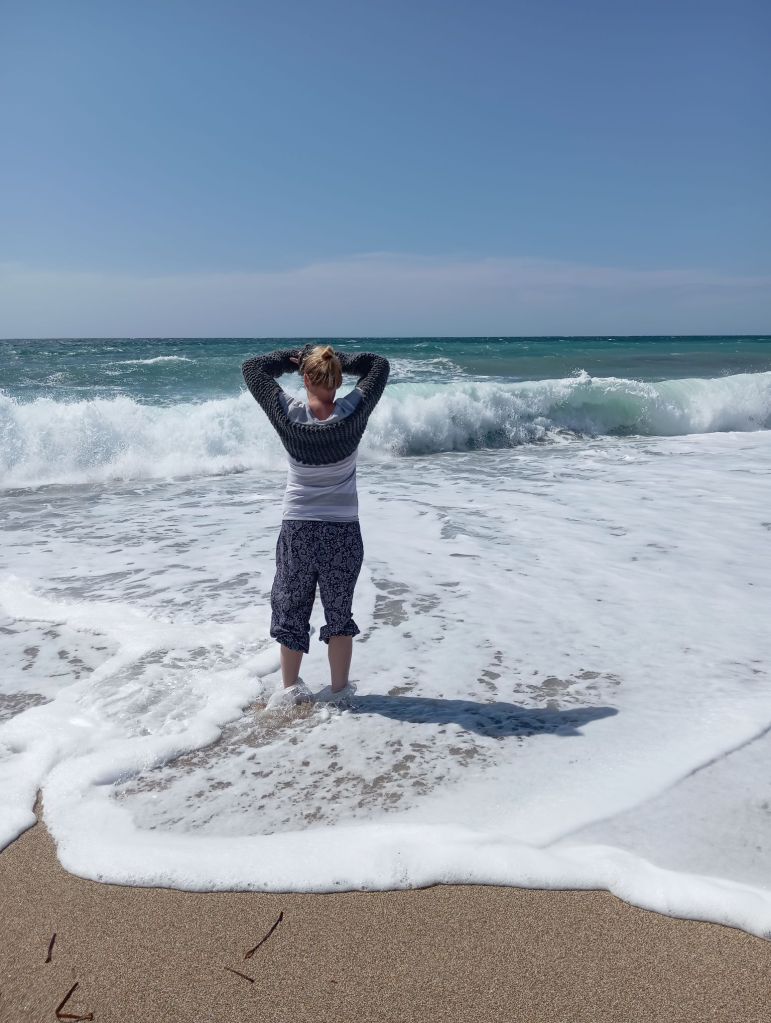


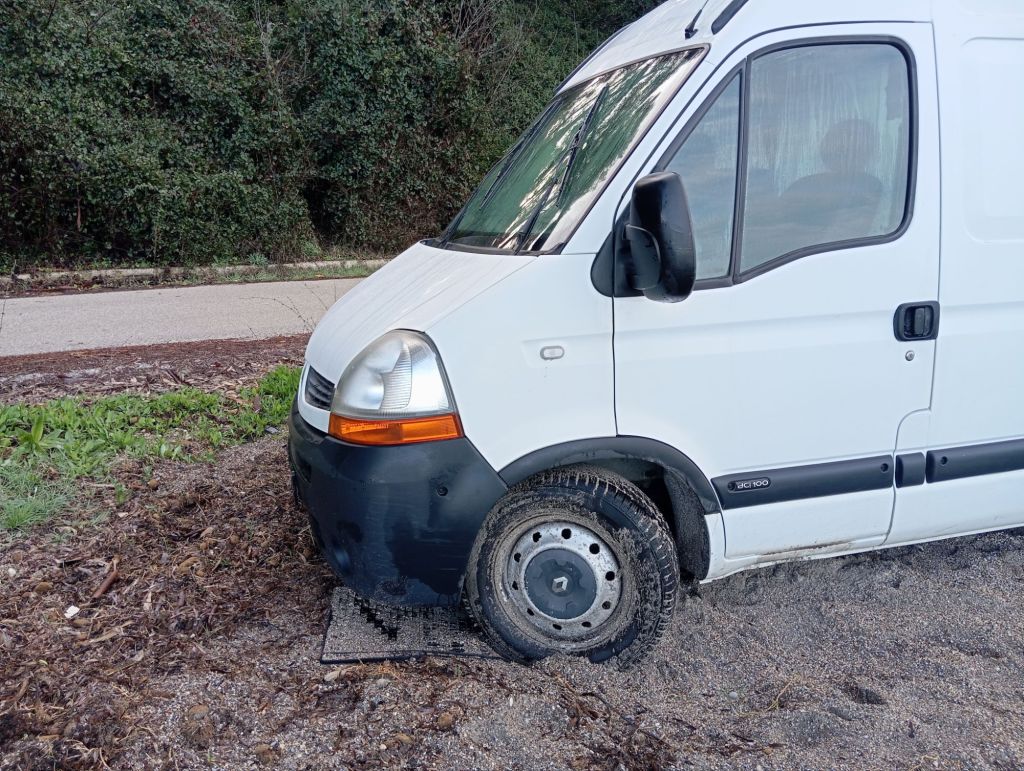


 Unser Ritt auf der Waiküre