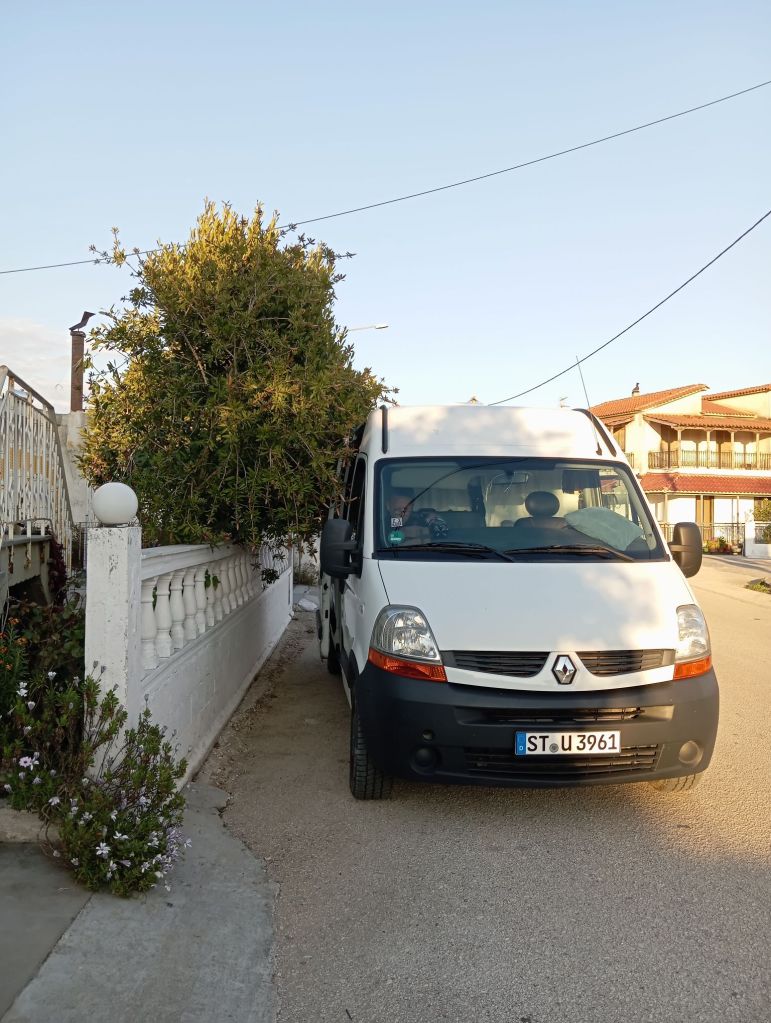
Logik findet immer ihren Weg

(Down below in english en français Incluido el español) Die Griechen wissen es schon seit 1838, denn in diesem Jahr entschieden sie die Freiheitskämpfe gegen die Türken.

Übrigens: Istanbolu ist griechisch und bedeutet so viel wie „in die Stadt“ für alle, die bei Konstantinopel noch Mal nen Joker brauchen.

Jedenfalls wundert mich nicht mehr, dass ich Griechenland so mag, denn am 25. März feiert man dank orthodoxer Kirche auch Mariä Verkündigung, die Geschichte erzähle ich an anderer Stelle.

Hier, wo Zeus untreu und Epicur konsequent dachte, weiss man, wie man die Ritter der Waiküre empfängt, mit einem Feiertag!

Die Straßen sind geschmückt, Familien sind am Strand und die Nationalbrust befriedigt.

Wisst ihr, wie lange ich nach einem würdigen Namenspatron für meinen Geburtstag suchte?
Unzählige Male suchte ich vergeblich nach Alternativen zu Elton John, Tracy Chapman und, na gut, Charly Chaplin.

Aber ich suchte was Heiliges, wie den 4. Juli, den amerikanischen Nationalfeiertag, an den ich meine Führerscheinprüfung bestand oder wenigstens was wie Weihnachten. Aber „good Bye englands Rose“?

Endlich ist auch diese Baustelle abgenommen. Der Bauherr ist glücklich über die Hilfe des Zufalls, den wo die Logik einen Sinn sucht, wird sie immer einen finden

Bis morgen Abend,

Euer Ulf

English
Logic always finds a way

The Greeks have known this since 1838, because in that year they decided the fight for freedom against the Turks.

By the way: Istanbolu is Greek and means something like „into the city“ for all those who need another joker for Constantinople.

Anyway, I’m no longer surprised that I like Greece so much, because thanks to the Orthodox Church, the Annunciation is also celebrated on March 25.

Here, where Zeus thought unfaithfully and Epicurus consistently, they know how to welcome the Knights of the Waiküre, with a holiday!

The streets are decorated, families are on the beach and the national breast is satisfied.

Do you know how long I searched for a worthy patron saint for my birthday?
Countless times I searched in vain for alternatives to Elton John, Tracy Chapman and, well, Charly Chaplin.

But I was looking for something sacred, like the 4th of July, the American national holiday on which I passed my driving test, or at least something like Christmas. But „good bye English rose“?

This building site is finally finished. The builder is happy to have the help of chance, because where logic seeks meaning, it will always find it

See you tomorrow evening,

Your Ulf

français
La logique trouve toujours un moyen

Les Grecs le savent depuis 1838, car c’est cette année-là qu’ils ont décidé de lutter pour la liberté contre les Turcs.

Notons au passage qu’Istanbolu est un mot grec qui signifie „dans la ville“ pour tous ceux qui ont encore besoin d’un joker pour Constantinople.

Quoi qu’il en soit, je ne m’étonne plus que la Grèce me plaise autant, car grâce à l’Église orthodoxe, on y fête aussi l’Annonciation le 25 mars.

Ici, où Zeus était incrédule et Épicure cohérent, on sait comment accueillir les chevaliers de l’onde : en leur offrant un jour férié !

Les rues sont décorées, les familles sont à la plage et la poitrine nationale est satisfaite.

Savez-vous combien de temps j’ai passé à chercher un patron digne de ce nom pour mon anniversaire ?
Un nombre incalculable de fois, j’ai cherché en vain des alternatives à Elton John, Tracy Chapman et, eh bien, Charly Chaplin.

Mais je cherchais quelque chose de sacré, comme le 4 juillet, la fête nationale américaine, le jour où j’ai réussi mon examen de conduite, ou au moins quelque chose comme Noël. Mais „good bye English rose“ ?

Ce chantier est enfin terminé. Le maître d’œuvre est heureux de l’aide du hasard, car là où la logique cherche un sens, elle le trouvera.

À demain soir,

Ton Ulf

español

La lógica siempre encuentra un camino

Los griegos lo saben desde 1838, porque en ese año decidieron luchar por la libertad contra los turcos.

Por cierto, Istanbolu es una palabra griega que significa „en la ciudad“, para los que aún necesiten un comodín para Constantinopla.

Sea como fuere, ya no me sorprende que me guste tanto Grecia, porque gracias a la Iglesia Ortodoxa, la Anunciación también se celebra allí el 25 de marzo.

Aquí, donde Zeus era incrédulo y Epicuro consecuente, saben cómo recibir a los caballeros de la ola: ¡dándoles un día de fiesta!

Las calles se engalanan, las familias están en la playa y el pecho nacional está satisfecho.

¿Sabes cuánto tiempo pasé buscando un jefe digno para mi cumpleaños?
Incontables veces he buscado en vano alternativas a Elton John, Tracy Chapman y, bueno, Charly Chaplin.

Pero yo buscaba algo sagrado, como el 4 de julio, los días festivos estadounidenses, el día que aprobé el examen de conducir o, al menos, algo parecido a la Navidad. ¿Pero „adiós rosa inglesa“?

Por fin está terminada la obra. El constructor se alegra de la ayuda del azar, porque allí donde la lógica busca el sentido, lo encuentra.

Hasta mañana por la tarde,

Tu Ulf

Sonntag fahren wir zu meiner Mutter

(Down below in english en français Incluido el español) Die Woche hat sieben Tage und jeder Tag hat einen schönen Namen. Der Sonntag ist sozusagen das Hochamt aller Tage.

Am Sonntag, auch wenn es regnet, machen wir es uns gemütlich. „Nein, Sonntag fahren wir zu meiner Mutter“, könnte es jetzt heißen und richtig, an dem Tag, an dem wir frei hätten, haben wir den größten Stress: Nichts zu tun. Und deshalb machen wir, egal ob Rasen mähen, Fenster putzen, Oma besuchen, alles, bloß nicht mit sich allein sein müssen.

Das verschieben wir lieber auf einen Tag wie heute: Samstag. Alle Geschäfte haben auf und ich hab frei: Shoppään.

„Aber erst wird der Müll raus gebracht und denk dran, um zwei hast Du einen Friseurtermin“.

Was ist los mit uns?
Ich glaube (was nichts heißen muss,) Von Montags bis Freitags sagt man uns für Geld was wir zu tun haben weil wir schon mit zwei Tagen uns selbst überlassen, überfordert sind.

Das Schlimmste ist absolute Freiheit, denn da kann man nirgendwo anfangen. Als Werber und Autor helfe ich mir aus dieserlei Ängsten, indem ich irgendein Faktum konkret mache, wie heute „Samstag“, Dann kann man daran  Worte wie an einen Weihnachtsbaum hängen, aber wo ist der Haken bei „frei“?

Es gibt keinen, deshalb denken wir uns lieber fünf, bevor vier versagen und dann hat man  keinen mehr.

Kein Wunder, dass wir eine Vier-Tage-Woche brauchen, wann würden wir sonst das Auto waschen?

Bis morgen Abend,

Euer Ulf

English

Sunday we go to my mother’s


The week has seven days and each day has a beautiful name. Sunday is the high mass of all days, so to speak.

On Sunday, even if it rains, we make ourselves comfortable. „No, we’re going to my mother’s on Sunday,“ we might say, and that’s right, on the day we would have off, we have the greatest stress: nothing to do. And that’s why, whether it’s mowing the lawn, cleaning the windows or visiting grandma, we do everything but have to be alone with ourselves.

We’d rather put that off until a day like today: Saturday. All the stores are open and I have the day off: shopping.

„But first take out the garbage and remember, you have a hairdressing appointment at two“.

What’s wrong with us?
I think (which doesn’t necessarily mean anything) we’re being told what to do for money from Monday to Friday because we’re already overwhelmed with two days left to ourselves.

The worst thing is absolute freedom, because there’s nowhere to start. As an advertiser and author, I help myself out of these kinds of fears by making some fact concrete, like „Saturday“ today, then you can hang words on it like on a Christmas tree, but where is the catch with „free“?

There isn’t one, so we’d rather think of five before four fail and then you have none left.

No wonder we need a four-day week, otherwise when would we wash the car?

See you tomorrow evening,

Your Ulf

français

Dimanche, nous allons chez ma mère


La semaine compte sept jours et chaque jour porte un joli nom. Le dimanche est pour ainsi dire la grand-messe de tous les jours.

Le dimanche, même s’il pleut, nous nous mettons à l’aise. „Non, nous allons chez ma mère le dimanche“, disons-nous peut-être, et c’est vrai, le jour où nous aurions congé, nous avons le plus grand stress : rien à faire. Qu’il s’agisse de tondre la pelouse, de nettoyer les fenêtres ou de rendre visite à la grand-mère, nous faisons tout, sauf nous retrouver seuls avec nous-mêmes.

Nous préférons reporter cela à un jour comme aujourd’hui : le samedi. Tous les magasins sont ouverts et j’ai ma journée de libre : faire les courses.

„Mais sors d’abord les poubelles et n’oublie pas que tu as rendez-vous chez le coiffeur à 14 heures“.

Qu’est-ce qui nous arrive ?
Je pense (ce qui ne veut pas forcément dire quelque chose) qu’on nous dicte ce que nous devons faire du lundi au vendredi pour de l’argent, parce que nous sommes déjà débordés et qu’il ne nous reste que deux jours pour nous.

Le pire, c’est la liberté absolue, car on ne peut commencer nulle part. En tant que publicitaire et auteur, je m’aide de ce genre d’angoisse en concrétisant un fait, par exemple „samedi“ aujourd’hui, on peut alors y accrocher des mots comme à un sapin de Noël, mais où est le piège de „libre“ ?

Il n’y en a pas, donc nous préférons penser à cinq, avant que quatre ne soient supprimés et qu’on n’en ait plus.

Pas étonnant qu’on ait besoin d’une semaine de quatre jours, sinon quand est-ce qu’on laverait la voiture ?

On se voit demain soir,

Ton Ulf

español

El domingo vamos a casa de mi madre.
La semana tiene siete días y cada día tiene un nombre bonito. El domingo es la misa mayor de todos los días, por así decirlo.

El domingo nos ponemos cómodos, aunque llueva. „No, el domingo vamos a casa de mi madre“, podemos decir, y es verdad, el día que tendríamos libre es el que más estrés nos produce: nada que hacer. Ya sea cortar el césped, limpiar los cristales o visitar a nuestra abuela, hacemos cualquier cosa menos estar a solas con nosotros mismos.

Preferimos dejarlo para un día como hoy: sábado. Todas las tiendas están abiertas y yo tengo mi día libre: ir de compras.

„Pero antes saca la basura y no olvides que tienes cita en la peluquería a las dos de la tarde“.

¿Qué nos pasa?
Creo (lo que no quiere decir necesariamente nada) que nos dicen lo que tenemos que hacer de lunes a viernes por dinero porque ya estamos sobrecargados de trabajo y sólo tenemos dos días para nosotros.

Lo peor es la libertad absoluta porque no hay por dónde empezar. Como experto en publicidad y autor, me ayudo con esos miedos concretando un hecho, por ejemplo, „sábado“ hoy, luego se le pueden colgar palabras como si fuera un árbol de Navidad, pero ¿dónde está la trampa de „libre“?

No hay ninguna, así que mejor pensar en cinco antes de que se anulen cuatro y no nos quede ninguna.

No me extraña que necesitemos una semana de cuatro días, ¿cuándo si no íbamos a lavar el coche?

Hasta mañana por la tarde,

Tu Ulf

Rachlust

(Down below in english en français Incluido el español) Edgar Alan Poe, einer der Meister des Horrors und Grusels, spielte viel mit der Imagination, also Vorstellungskraft seiner Protagonisten.

Wenn Polizisten concludieren, entsteht ein philosophisches Feuerwerk aus Ursache und Wirkung, wie sie nur menschlicher Geist erdenken oder verstehen kann.

Seine Kompetenz lag meines Erachtens also nicht im gruseligen Tatbestand der Vergiftung, um nur ein Beispiel zu nennen,sondern in der Verbindung zwischen Opfer und Täter.

Opfer und Täter waren,in den meisten Geschichten Unschuldige, die, wie eine Mutter zum Kind kamen. Plötzlich, meist bei Nacht, oder zumindest zu kalter, Farbarmer Stunde, wenn es nieselt oder der Nebel alles in eine undurchsichtige Wolke taucht, platzt einem der Kragen oder konkretisiert sich ein Schlachtplan. Um 5 oder noch früher da oder da, am Galgen, ohne Kopf, leblos.

Besser, wenn alle noch schlafen. Dann kann es jeder gewesen sein, denn da wird man ja nicht gesehen. Aber das Netz persönlichkeitsbestimmender Erfahrungen verliert auch Nachts nicht den Halt, man sieht es nur scheinbar noch weniger als Tagsüber, denn Nachts sieht man seine eigenen Fehler nicht, vielleicht übersehen sie ja andere auch?

Die Nacht scheint mir wie ein Dachboden für Kinder. Wenn keiner da ist, traut man sich zu gucken; in die Truhe, die Seele und die Nacht.

Denn nie brennt das Feuer der Rachelust so heiß, wie Abends, wenn man spürt, wie leer der Tag eigentlich war, oder?

Bis morgen Abend,

Euer Ulf

English

Lust for revenge


Edgar Alan Poe, one of the masters of horror and horror, played a lot with the imagination of his protagonists.

When policemen conspire, the result is a philosophical firework display of cause and effect that only the human mind can conceive or understand.

In my opinion, his expertise lay not in the gruesome crime of poisoning, to name just one example, but in the connection between victim and perpetrator.

In most stories, the victims and perpetrators were innocent people who came to the child like a mother. Suddenly, usually at night, or at least at a cold, low hour, when it is drizzling or the fog bathes everything in an opaque cloud, one’s collar bursts or a battle plan takes shape. There or there at 5 or even earlier, on the gallows, headless, lifeless.

Better if everyone is still asleep. Then it could have been anyone, because you can’t be seen. But the web of personality-defining experiences doesn’t lose its grip at night either, you just seem to see it even less than during the day, because at night you don’t see your own mistakes, maybe others overlook them too?

The night seems to me like an attic for children. When no one is around, you dare to look into the chest, the soul and the night.

Because the fire of revenge never burns as hot as in the evening, when you can feel how empty the day has actually been, can you?

See you tomorrow evening,

Your Ulf


français

Envie de vengeance


Edgar Alan Poe, l’un des maîtres de l’horreur et de l’épouvante, a beaucoup joué avec l’imagination de ses protagonistes.

Lorsque des policiers conspirent, il en résulte un feu d’artifice philosophique de causes et d’effets que seul l’esprit humain peut appréhender ou comprendre.

Selon moi, sa compétence ne résidait pas dans le crime atroce de l’empoisonnement, pour ne citer qu’un exemple, mais dans le lien entre la victime et le criminel.

Dans la plupart des histoires, les victimes et les coupables étaient des personnes innocentes qui, comme une mère, venaient voir l’enfant. Soudain, généralement la nuit ou du moins à une heure froide et profonde, quand il bruine ou que le brouillard enveloppe tout d’un nuage opaque, le col explose ou un plan de bataille prend forme. Là ou là, à cinq heures ou même plus tôt, à la potence, sans tête, sans vie.

Mieux vaut que tout le monde dorme encore. Alors tout le monde pourrait l’avoir fait, car on ne peut pas être vu. Mais le réseau des expériences qui déterminent la personnalité ne perd pas sa prise, même la nuit, on semble seulement le voir encore moins que le jour, parce que la nuit, on ne voit pas ses propres erreurs, peut-être que d’autres les ignorent aussi ?

La nuit me semble être un grenier pour les enfants. Quand personne n’est là, on ose regarder dans sa poitrine, dans son âme et dans la nuit.

Car le feu de la vengeance ne brûle jamais aussi fort que le soir, quand on sent à quel point la journée a été en fait vide, n’est-ce pas ?

À demain soir,

Ton Ulf


español

Deseo de venganza


Edgar Alan Poe, uno de los maestros del horror y el terror, jugaba mucho con la imaginación de sus protagonistas.

Cuando los policías conspiran, surge una pirotecnia filosófica de causas y efectos que sólo la mente humana puede captar o comprender.

En mi opinión, su maestría no residía en el horripilante crimen del asesinato por envenenamiento, por poner un ejemplo, sino en la conexión entre víctima y victimario.

En la mayoría de los relatos, la víctima y el autor eran personas inocentes que visitaban al niño como una madre. De repente, normalmente de noche o al menos a una hora baja y fría, cuando llovizna o la niebla lo envuelve todo en una nube opaca, estalla el collar o toma forma un plan de batalla. Aquí o allá, a las cinco o incluso antes, a la horca, sin cabeza, sin vida.

Lo mejor es que todos sigan durmiendo. Entonces todos podrían haberlo hecho, porque no te pueden ver. Pero la red de experiencias que determina tu personalidad no pierde fuerza por la noche, sólo que parece que la ves aún menos que durante el día, porque por la noche no ves tus propios errores, ¿quizá los demás también los ignoran?

La noche me parece un desván para los niños. Cuando no hay nadie cerca, te atreves a mirar en tu propio pecho, en tu propia alma y en la noche.

Porque el fuego de la venganza nunca arde con tanta fuerza como por la noche, cuando te das cuenta de lo vacío que ha estado realmente el día, ¿verdad?

Hasta mañana por la noche,

Tu Ulf

Reine Fiktion

(Down below in english en français Incluido el español) Asphalt, dessen Oberfläche sich wie eine streichelnde Hand an das Profil Ihres Gummies schmiegt, ist von Natur aus eher schweigsam, nur in besonders wohligen Momenten,wenn Himmel und Erde bei Tempo 250 fusionieren, schnurrt er, sanft wie ein Kätzchen am Ofen.

Man hat alles richtig gemacht, wenn die Melodien im Ohr, dass suchen des Gehirns nach Geräuschen singt.

Denn nur wenn ihr Herz im Takte eines alten 12 Zylinders aus dem Takt zu geraten droht, können Sie nur noch mit sanftem, stoßartigen Wechseln von Gas und Bremse den absoluten Widerspruch entgegen wirken.

Der Geruch aus frisch gemähtem Gras, als flüchtige Inspiration durchs Fenster vergewissert Sie jedoch, dass nicht nur Engel fliegen können denn auch sie gleiten sanft, auf den Schwingen der Schwertkraft durch beinahe jeden physikalischen Widerstand.

Die Augen fressen jede Millisekunde mit Abermillionen von Bildern in verbleibende drei Sekunden.

Die liebliche Kinderstimme, die Ihnen dann zuruft  „Hier her“, sind übrigens Sie selbst.
Jetzt können Sie sich entspannen.

Und bei einer Umarmung mit Minime, genießen, dass die Illusion der Freiheit Ihnen die Möglichkeit sie überhaupt zu sein genommen hat.

Bis morgen,

Euer

Ulf

english

Pure fiction
Asphalt, whose surface nestles against the profile of your rubber like a caressing hand, is rather silent by nature. Only in particularly pleasant moments, when heaven and earth merge at 250 km/h, does it purr, as gently as a kitten by the stove.

You’ve done everything right when the melodies in your ear make your brain search for sounds.

Because only when your heart threatens to fall out of sync with the beat of an old 12-cylinder can you counteract the absolute contradiction with gentle, jerky changes of throttle and brake.

The smell of freshly mown grass as a fleeting inspiration through the window reassures you, however, that not only angels can fly because they too glide gently on the wings of the sword through almost any physical resistance.

The eyes eat up every millisecond with millions and millions of images in the remaining three seconds.

The lovely child’s voice that then calls out to you, „Over here“, is actually you.
Now you can relax.

And while hugging Minime, enjoy the fact that the illusion of freedom has robbed you of the opportunity to be her at all.

See you tomorrow,

Yours

Ulf

français

La fiction à l’état pur
L’asphalte, dont la surface épouse le profil de votre gomme comme une main caressante, est plutôt silencieux par nature. Ce n’est que dans des moments particulièrement agréables, lorsque le ciel et la terre se confondent à 250 km/h, qu’il ronronne aussi doucement qu’un chaton au coin du poêle.

Vous avez tout bon si les mélodies dans vos oreilles font chercher des sons à votre cerveau.

En effet, ce n’est que lorsque le cœur menace de ne plus suivre le rythme d’un vieux 12 cylindres que l’on peut contrer la contradiction absolue par des changements d’accélération et de freinage doux et saccadés.

L’odeur de l’herbe fraîchement coupée comme inspiration fugace à travers la fenêtre vous rassure toutefois sur le fait que les anges ne sont pas les seuls à pouvoir voler, car eux aussi glissent doucement sur les ailes de l’épée à travers presque toute résistance physique.

Les yeux dévorent chaque milliseconde avec des millions et des millions d’images dans les trois secondes restantes.

La charmante voix d’enfant qui vous crie ensuite : „Par ici“, c’est vous.
Vous pouvez maintenant vous détendre.

Et pendant que vous serrez Minime dans vos bras, vous savourez le fait que l’illusion de la liberté vous a privé de la possibilité même de l’être.

À demain, donc,

Votre

Ulf

español

Ficción en estado puro
El asfalto, cuya superficie se acurruca contra el perfil de su goma de borrar como una mano acariciadora, es más bien silencioso por naturaleza. Sólo en momentos especialmente agradables, cuando el cielo y la tierra se funden a 250 km/h, ronronea tan tranquilo como un gatito junto a la estufa.

Lo has hecho todo bien si las melodías de tus oídos hacen que tu cerebro busque sonidos.

Porque sólo cuando tu corazón amenaza con dejar de seguir el ritmo de un viejo 12 cilindros puedes contrarrestar la contradicción absoluta con cambios de aceleración y frenada suaves y bruscos.

Sin embargo, el olor a hierba recién cortada como inspiración fugaz a través de la ventanilla te reafirma en que no sólo los ángeles pueden volar, ya que ellos también se deslizan suavemente a través de casi cualquier resistencia física sobre las alas de la espada.

Los ojos devoran cada milisegundo con millones y millones de imágenes en los tres segundos restantes.

La encantadora voz infantil que te llama después: „Por aquí“ eres tú.
Ahora puedes relajarte.

Y mientras sostienes a Minime en tus brazos, saborea el hecho de que la ilusión de libertad te ha robado la oportunidad de ser libre en absoluto.

Hasta mañana,

Atentamente

Ulf

Ja heißt Ναι

(Down below in english en français Incluido el español)Karneval ist die Zeit, oder das Event, an dem man sich zum Kasper macht. Egal ob Köln, Rio, Venedig oder hier in Griechenland.

Nur das die Griechen ihn erst an diesem Wochenende feiern und nicht im Winter, wie in den anderen Hochburgen.

Aber der griechische Karneval fühlt sich auch anders an als der, den ich bisher erlebt habe, was leider nur in Deutschland war. Denn die Helen sind sogar beim. Feiern entspannter.

Sie schreien nicht Helau wie in Düsseldorf oder Alaaf wie in Köln, sie schreien gar nicht. Sie lachen, tanzen und amüsieren sich, ganz so, wie man es in Rio erwartet, nur dass man hier auch als Schlumpf, Gollum oder andere Skurilitäten Auftritt und die Götter gute Männer und Frauen sein lässt.

Alle sind einfach ausgelassen fröhlich, drängen keinem ihr Glück auf und obwohl sie im normalen Leben auch nicht die Partylöwen zu sein scheinen, hat man nicht das Gefühl,dass sie was zu kompensieren haben.

Kein besoffenes Gegröhle, keine Schlägereien, kaum Krankenwagen und wenn, dann ohne Martinshorn. Es war wohl alles nicht so schlimm.

Die Griechen genießen das Leben so wie der Akkordeonspieler jetzt am Hafen, der zum Kistenschlagzeug seines Freundes singt und einfach nur die Luft mit ein wenig Glück bereichert.

Griechen verzaubern, indem Sie sind wie sie sind und nicht so tun, als wären sie wer anderes.

Das Leben hier ist für viele härter, weil der Stundenlohn niedriger ist, aber die Preise dennoch deutsch sind. Die Politik wirkt willkürlicher, man weiss nie genau, welche Gesetze im Moment wichtig und welche vernachlässigt werden können. Helmpflicht ja, Helme nein. Geschwindigkeitsbegrenzungen ja,  aber obwohl es drakonische Strafen gibt, hält man sich wohl erst ab 40 dran.


Aber wenn man dann wie ich ein Krieche ist, wird nicht gehupt. Kriechen und heizen lassen.siga, siga. In Griechenland versucht man nicht unentwegt das Das Rad neu zu erfinden, obwohl man die Demokratie erfunden hat.

Man ist hier einfach mit sich beschäftigt, ohne Egoist zu sein. In Griechenland ist man einfach gerne glücklich. Und zum glücklich sein braucht man Sonne und kein Geld.

„Hier werden Sie geholfen“, weil das selbstverständlich ist, nicht weil es sich so gehört. In Griechenland will man nicht die Weltherrschaft sondern in Ruhe gelassen werden.

Wenn man hier laut wird, dann muss einem schon der Himmel auf den Kopf fallen und dann auch nur, weil das eben weh tut und an Karneval passiert das schon nicht, deshalb will man auch nicht ein Tag Chef sein, sondern genießen, das man es nicht ist.

Bis morgen,

Euer Ulf

English

Yes means Ναι
Carnival is the time, or the event, when you make a fool of yourself. Whether in Cologne, Rio, Venice or here in Greece.

The only difference is that the Greeks only celebrate it this weekend and not in winter, as in the other strongholds.

But the Greek carnival also feels different to the one I’ve experienced so far, which unfortunately was only in Germany. Because the people of Helen are even more relaxed. They are more relaxed when celebrating.

They don’t shout Helau like in Düsseldorf or Alaaf like in Cologne, they don’t shout at all. They laugh, dance and have a good time, just as you would expect in Rio, except that here they also appear as Smurfs, Gollum or other bizarre characters and let the gods be good men and women.

They’re all just happy-go-lucky, don’t force their happiness on anyone and although they don’t seem to be the party animals in normal life either, you don’t get the feeling that they have anything to compensate for.

No drunken bawling, no fights, hardly any ambulances and when they do, it’s without a siren. I guess it wasn’t all that bad.

The Greeks enjoy life like the accordion player now at the harbor, singing to his friend’s crate drums and simply enriching the air with a little happiness.

Greeks enchant by being who they are and not pretending to be someone else.

Life here is harder for many because the hourly wage is lower, but the prices are still German. Politics seems more arbitrary, you never know exactly which laws are important at the moment and which can be neglected. Compulsory helmets yes, helmets no. Speed limits yes, but although there are draconian penalties, people don’t stick to them until they’re over 40.

But if you’re a creeper like me, they don’t honk. In Greece, they don’t constantly try to reinvent the wheel, even though they invented democracy.

People here are simply concerned with themselves, without being selfish. In Greece, people simply like to be happy. And to be happy, you need sunshine, not money.

„You’ll be helped here“ because it’s a matter of course, not because it’s the right thing to do. In Greece, people don’t want to rule the world, they want to be left alone.

If you get loud here, the sky has to fall on your head and then only because it hurts and that doesn’t happen at carnival, so you don’t want to be the boss for a day, you want to enjoy the fact that you’re not.

See you tomorrow,

Your Ulf

français

Oui signifie Ναι.
Le carnaval est le moment, ou l’événement, où l’on fait le fou. Que ce soit à Cologne, à Rio, à Venise ou ici en Grèce.

La seule différence est que les Grecs ne le célèbrent que ce week-end et non en hiver comme dans les autres hauts lieux.

Mais le carnaval grec se sent aussi différent de celui que j’ai vécu jusqu’à présent, qui n’a malheureusement eu lieu qu’en Allemagne. Car les habitants d’Hélène sont encore plus détendus. Ils sont plus détendus quand ils font la fête.

Ils ne crient pas Helau comme à Düsseldorf ou Alaaf comme à Cologne, ils ne crient pas du tout. Ils rient, dansent et s’amusent, comme on pourrait s’y attendre à Rio, sauf qu’ici, ils se déguisent aussi en Schtroumpfs, Gollum ou autres personnages bizarres et laissent les dieux être de bons hommes et femmes.

Ils sont tous simplement joyeux, n’imposent leur bonheur à personne et même s’ils ne semblent pas être des fêtards dans la vie normale, on n’a pas l’impression qu’ils ont quelque chose à compenser.

Pas de beuveries, pas de bagarres, peu d’ambulances et quand elles le sont, c’est sans sirène. Ce n’était pas si grave que ça.

Les Grecs profitent de la vie, comme l’accordéoniste qui chante sur le port au son de la caisse de son ami et qui enrichit simplement l’air d’un peu de bonheur.

Les Grecs charment par le fait qu’ils sont ce qu’ils sont et ne prétendent pas être quelqu’un d’autre.

La vie ici est plus dure pour beaucoup, car le salaire horaire est plus bas, mais les prix sont toujours allemands. La politique semble plus arbitraire, on ne sait jamais vraiment quelles lois sont importantes à un moment donné et lesquelles peuvent être négligées. Le casque obligatoire, oui, les casques, non. Les limitations de vitesse, oui, mais bien que les sanctions soient draconiennes, les gens ne les respectent pas avant d’avoir dépassé la quarantaine.

Mais quand on est un traînard comme moi, on ne klaxonne pas. En Grèce, on ne cherche pas constamment à réinventer la roue, même si on a inventé la démocratie.

Ici, les gens se préoccupent simplement d’eux-mêmes, sans être égoïstes. En Grèce, les gens veulent simplement être heureux. Et pour être heureux, il faut du soleil, pas de l’argent.

„Ici, on t’aide“, parce que cela va de soi, pas parce que c’est juste. En Grèce, les gens ne veulent pas dominer le monde, ils veulent qu’on les laisse tranquilles.

Ici, quand on fait du bruit, le ciel doit nous tomber sur la tête, et encore, parce que ça fait mal, et ça n’arrive pas au carnaval, alors on ne veut pas être le chef pour un jour, on veut profiter de ne pas l’être.

On se voit demain,

Ton Ulf

español

Sí significa Ναι.
El Carnaval es la época o el acontecimiento que te vuelve loco. Ya sea en Colonia, Río, Venecia o aquí en Grecia.

La única diferencia es que los griegos sólo lo celebran este fin de semana y no en invierno como en el resto de plazas fuertes.

Pero el carnaval griego también es diferente al carnaval que he vivido hasta ahora, que por desgracia sólo tenía lugar en Alemania. Porque la gente de Helena es aún más relajada. Están más relajados cuando lo celebran.

No gritan Helau como en Düsseldorf o Alaaf como en Colonia, no gritan nada. Se ríen, bailan y se divierten, como cabría esperar en Río, salvo que aquí también se disfrazan de Pitufos, Gollum u otros personajes extraños y dejan que los dioses sean hombres y mujeres buenos.

Todos son simplemente alegres, no empujan su felicidad sobre nadie y aunque no parecen ser fiesteros en la vida normal, no se tiene la impresión de que tengan nada que compensar.

Nada de borracheras, nada de peleas, apenas ambulancias y cuando lo hacen es sin sirenas. No era tan malo como parecía.

Los griegos disfrutan de la vida, como el acordeonista que canta en el puerto al son de la caja registradora de su amigo y simplemente enriquece el aire con un poco de felicidad.

Los griegos encantan siendo quienes son y no pretendiendo ser otra persona.

La vida aquí es más dura para muchos, ya que los salarios por hora son más bajos pero los precios siguen siendo alemanes. La política parece más arbitraria, nunca se sabe exactamente qué leyes son importantes en un momento dado y cuáles se pueden ignorar. Cascos obligatorios sí, cascos no. Límites de velocidad sí, pero aunque las sanciones son draconianas, la gente no los cumple hasta que ha superado los 40.

Pero si eres un retrasado como yo, no tocas el claxon. En Grecia no tratan constantemente de reinventar la rueda, aunque inventaron la democracia.

Aquí, la gente simplemente se cuida sin ser egoísta. En Grecia, la gente sólo quiere ser feliz. Y para ser feliz, necesitas sol, no dinero.

„Aquí te ayudamos“ porque es natural, no porque sea lo correcto. En Grecia, la gente no quiere gobernar el mundo, quiere que la dejen en paz.

Si haces ruido aquí, el cielo tiene que caer sobre tu cabeza, y eso es porque duele, y eso no pasa en carnaval, así que no quieres ser el jefe por un día, quieres disfrutar de no ser el jefe.

Hasta mañana,

Tu Ulf

Einmalig
Monatlich
Jährlich

Danke sagen?

Make a monthly donation

Make a yearly donation

Wähle einen Betrag

€5,00
€15,00
€100,00
€5,00
€15,00
€100,00
€5,00
€15,00
€100,00

Oder gib einen anderen Betrag ein


Vielen Dank!/Your contribution is appreciated.

Your contribution is appreciated.

Your contribution is appreciated.

DonateDonate monthlyDonate yearly

Es brennt


(Down below in english en français Incluido el español) Wasser und Feuer haben keine Gefühle. Feuer brennt, wenn es die Energie von Holz sowie den Sauerstoff aus der Luft bekommt und erlischt, wenn Wasser es erstickt.

Als Mensch wäre es nicht ungewöhnlich, das Zischen, das dann entsteht als Wut, oder Kampf gegen das Sterben der Flammen zu interpretieren, aber Feuer ist nicht wütend. Auch Wasser nicht. Es löscht die Flammen nicht, weil es diese nicht mag oder einen Groll dagegen hegt.

Und Feuer nimmt keinen gebührenden Abstand von Wasser, um zu brennen. Wenn es direkt an Wasser Brennbares, Luft und konzentrierte Hitze gibt, beginnt es zu lodern, auch wenn im nächsten Augenblick eine Welle kommt und ihn eines der notwendigen Elemente des Seins, wie in diesem Falle Sauerstoff entzieht.

Wenn Feuer lebendig wäre, würde man es dumm schimpfen, weil es nicht darauf achtet ausgelöscht zu werden, obwohl es einen viel klügeren Weg nimmt, es breitet sich in andere Richtungen aus oder verschwindet, bis eine neue Notwendigkeit gegeben ist, zu sein.

Feuer wartet nicht auf Gelegenheiten wieder zu brennen oder es dem Wasser heim zu zahlen, das es schon so häufig der Daseinsberechtigung enthoben hat.

Feuer ist, immer wieder neu und doch immer wieder gleich. Jedes Feuer ist anders, aber doch immer wieder zweifelsfrei Feuer. Es tut nicht so Baum zu sein,  oder Stein, es verhüllt nicht heiß zu sein, es schämt sich auch nicht seiner selbst, wenn das Wasser stärker scheint oder feiert sich, wenn es ganze Wälder dem Erdboden gleich macht.

Feuer hat nämlich keine Gefühle, weil es keinen Geist hat. Ich würde aber mit Nichten sagen, dass Feuer dumm Ist.

Ich bin dumm, weil ich denke, Geist ist ein Privileg. Ja, Geist macht mich als Menschen besonders, aber ob es eine positive Qualität ist, bezweifle ich.

Heute zum Beispiel hätte ich gerne das Privileg „Geistfrei“, denn wenn mir in meinem Leben immer wieder was im Weg steht, ist es der Geist, nicht der Tot, denn letztere lässt mich nur da verschwinden, wo ich nicht lebensfähig bin, während Geist mich immer wieder glauben macht, einen Kampf gewinnen zu können, dessen Ende auch ohne meine Wertung so ausgeht, wie es ausgeht. Mal tot und mal als Überlebender, aber nie als Sieger.

Aber Feuer ist immer auch eines: Brachiale Veränderungsgewalt der Natur, man könnte fast sagen, der Geist des Seins, der scheinbar zerstört aber am Ende notwendig ist, dass der Kreislauf des Lebens weiter in Bewegung bleibt, nur dass sich das Feuer nichts darauf einbildet.

Bis morgen,

Euer Ulf

English

It burns
Water and fire have no feelings. Fire burns when it receives the energy of wood and oxygen from the air and goes out when water smothers it.

As a human, it would not be unusual to interpret the hissing that then arises as anger or a struggle against the dying flames, but fire is not angry. Neither is water. It doesn’t extinguish the flames because it doesn’t like them or holds a grudge against them.

And fire does not take a proper distance from water to burn. If there are combustibles, air and concentrated heat right next to water, it begins to blaze, even if a wave comes in the next moment and deprives it of one of the necessary elements of being, such as oxygen in this case.

If fire were alive, it would be called stupid because it does not care to be extinguished, although it takes a much wiser path, it spreads in other directions or disappears until a new need to be is given.

Fire does not wait for opportunities to burn again or to pay back the water that has so often deprived it of its right to exist.

Fire is always new and yet always the same. Every fire is different, but always undoubtedly fire. It doesn’t pretend to be a tree or a stone, it doesn’t pretend to be hot, it isn’t ashamed of itself when the water seems stronger or celebrates itself when it razes entire forests to the ground.

Fire has no feelings because it has no spirit. But I would by no means say that fire is stupid.

I’m stupid because I think spirit is a privilege. Yes, spirit makes me special as a person, but I doubt whether it is a positive quality.

Today, for example, I would like to have the privilege of being „spirit-free“, because if something keeps getting in the way of my life, it is spirit, not death, because the latter only makes me disappear where I am not viable, while spirit makes me believe again and again that I can win a battle that ends the way it does without my judgment. Sometimes dead and sometimes a survivor, but never a winner.

But fire is also always one thing: the brute force of change of nature, one could almost say the spirit of being, which seems to destroy but in the end is necessary for the cycle of life to keep moving, except that the fire doesn’t think anything of it.

See you tomorrow,

Your Ulf

français

Ça brûle
L’eau et le feu n’ont pas de sentiments. Le feu brûle lorsqu’il absorbe l’énergie du bois et l’oxygène de l’air, et s’éteint lorsque l’eau l’étouffe.

En tant qu’être humain, il ne serait pas anormal d’interpréter le sifflement qui se produit alors comme de la colère ou une lutte contre les flammes mourantes, mais le feu n’est pas en colère. L’eau non plus. Elle n’éteint pas les flammes parce qu’elle ne les aime pas ou qu’elle leur en veut.

Et le feu n’a pas non plus besoin d’être à la bonne distance de l’eau pour brûler. Si des matières combustibles, de l’air et de la chaleur concentrée se trouvent à proximité immédiate de l’eau, il se met à brûler, même si l’instant d’après une vague vient le priver de l’un des éléments nécessaires à son existence, comme dans ce cas l’oxygène.

Si le feu était vivant, on le qualifierait de stupide parce qu’il ne veut pas se laisser éteindre, bien qu’il prenne un chemin beaucoup plus sage, se propageant dans d’autres directions ou disparaissant jusqu’à ce qu’un nouveau besoin d’être soit donné.

Le feu n’attend pas les occasions de brûler à nouveau ou de rembourser l’eau qui lui a si souvent retiré son droit d’exister.

Le feu est toujours nouveau et pourtant toujours le même. Chaque feu est différent, mais toujours indiscutablement feu. Il ne prétend pas être un arbre ou une pierre, il ne prétend pas être chaud, il n’a pas honte lorsque l’eau semble plus forte, ou il se célèbre lorsqu’il rase des forêts entières.

Le feu n’a pas de sentiments parce qu’il n’a pas d’esprit. Mais je ne dirais en aucun cas que le feu est stupide.

Je suis stupide parce que je crois que l’esprit est un privilège. Oui, l’esprit me rend spécial en tant que personne, mais je doute qu’il s’agisse d’une qualité positive.

Aujourd’hui, par exemple, j’aimerais avoir le privilège d’être „sans esprit“, car si quelque chose se met toujours en travers de ma vie, c’est l’esprit, pas la mort, car cette dernière ne fait que me faire disparaître là où je ne suis pas viable, tandis que l’esprit me fait toujours croire que je peux gagner un combat qui se termine comme il se termine, sans que je sois jugé. Parfois mort, parfois survivant, mais jamais vainqueur.

Mais le feu est toujours une chose : la force de changement brutale de la nature, on pourrait presque dire l’esprit de l’être, qui semble détruire, mais qui est finalement nécessaire pour que le cycle de la vie reste en mouvement, sauf que le feu n’en pense rien.

À demain, donc,

Ton Ulf

Español

Quema
El agua y el fuego no tienen sentimientos. El fuego arde cuando absorbe la energía de la madera y el oxígeno del aire, y se apaga cuando es sofocado por el agua.

Como ser humano, no sería antinatural interpretar el silbido que se produce entonces como ira o como una lucha contra las llamas moribundas, pero el fuego no está enfadado. Tampoco lo está el agua. No apaga las llamas porque no le gusten o esté enfadada con ellas.

Y el fuego no tiene por qué estar a la distancia adecuada del agua para arder. Si hay sustancias inflamables, aire y calor concentrado en las inmediaciones del agua, ésta empezará a arder, aunque al momento siguiente llegue una ola y le prive de uno de los elementos necesarios para su existencia, como el oxígeno en este caso.

Si el fuego estuviera vivo, se le llamaría estúpido porque no quiere extinguirse, aunque toma un camino mucho más sabio extendiéndose en otras direcciones o desapareciendo hasta que se da una nueva necesidad de ser.

El fuego no espera oportunidades para volver a arder o para devolver el favor al agua que tantas veces le ha privado de su derecho a existir.

El fuego es siempre nuevo y, sin embargo, siempre el mismo. Cada fuego es diferente, pero siempre innegablemente fuego. No finge ser un árbol o una piedra, no finge estar caliente, no se avergüenza cuando el agua parece más fuerte, ni se celebra a sí mismo cuando arrasa bosques enteros.

El fuego no tiene sentimientos porque no tiene espíritu. Pero nunca diría que el fuego es estúpido.

Soy estúpido porque creo que la mente es un privilegio. Sí, el espíritu me hace especial como persona, pero dudo que sea un atributo positivo.

Hoy, por ejemplo, me gustaría tener el privilegio de ser „estúpido“ porque si algo se interpone alguna vez en mi camino es la mente, no la muerte, porque la muerte sólo me hace desaparecer allí donde no soy viable, mientras que la mente siempre me hace creer que puedo ganar una batalla que acaba como acaba sin ser juzgado. A veces estoy muerto, a veces sobrevivo, pero nunca soy un vencedor.

Pero el fuego es siempre una cosa: la fuerza brutalmente transformadora de la naturaleza, casi podría decirse que el espíritu del ser, que parece destruir pero que en última instancia es necesaria para mantener en movimiento el ciclo de la vida, salvo que el fuego no piensa en ello.

Hasta mañana,

Tu Ulf

Kleine Werbepause

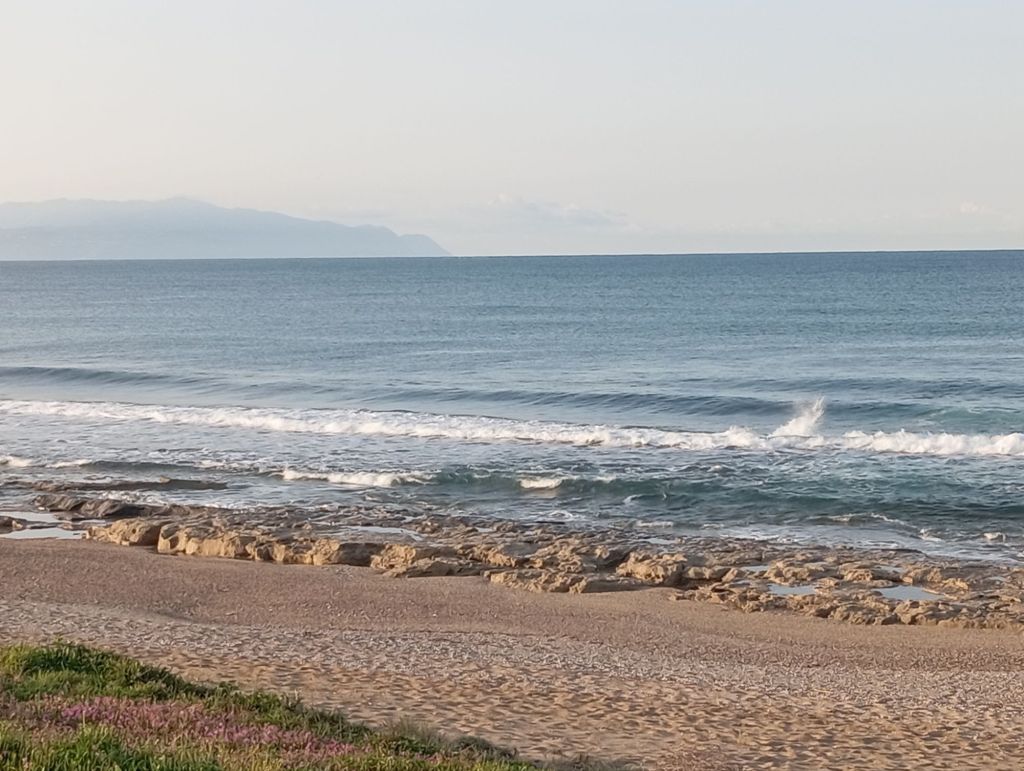
Beim Blick auf die weißen Schaumkronen der Wellen, erinnere ich mich an eine Werbung, bei der Wildpferde wie in einer Fabel daraus hervor galoppieren. Mit schnaubenden Nüstern und angezogenen Vorderläufen gestaltet sich aus Wassertropfen lebendiges Leben und symbolisiert so die Lebenskraft, die in Wasser steckt.

Ich kann nicht anders, als immer wieder beim Blick an den Strand dieses beeindruckende Bild zu halluzinieren und dabei an meine Zeit als Werber zurück zu denken, in der es meine Aufgabe war, in solch faszinierenden Bildern die Moderne zu verkaufen.

Mein Porsche ließ die Sonne untergehen und bündelte so „Naturgewalten“ und mein Mercedes goss mit seinen Abgasen Blumen oder spielte in Queensland mit dem Auspuff Didgeridoo. Alles war erlaubt, solange die Bildidee zum Träumen einlud, indem eine Symbiose von Technik und Natur diese Versöhnung als frohe Botschaft die Massen zum konsumieren einlud.

Wenn ein Amarok den Homo sapiens Sapiens dahin brachte, wo noch keiner war, oder zur Arbeit, dann ging mein Herz auf und wenn man meine Ideen klaute, wie bei der Start/Stop Automatik, dem ersten Stillstand, der Fortschritt bedeutete, wurde ich nur wütend darüber, dass ich dafür nicht bezahlt wurde, aber nicht, weil es eine Einladung zur Umweltverschmutzung war.

Wenn mein Porsche 911 GT3 RS mit dem Verbrennen von unzähligen Litern Benzin Rekorde aufstellte, dann galt es, diese zu brechen und nicht, endlich mit diesem Irrsinn aufzuhören.

Und als ich es feiern sollte, dass man mit Lidl Kaffee so viel Geld sparen würde, jedoch „mit dem „Sozialen“ kam, verlor ich meinen Job. Solche Menschen warben für sich selbst mit dem Namen „Freunde“ und als ich irgendwann den Irrsinn verstand und kündigte, würde ich für dumm erklärt, denn man kann doch nicht einen gut dotierten Job nur wegen sensibler Animositäten aufgeben. „Wovon willst Du denn in den Urlaub fahren?“,fragte man mich allen Ernstes.

Heute stehe ich mit Silvana im Jürmann am Strand und noch immer verfolgen mich die Dämonen der Vergangenheit, denen ich teilweise selbst und freiwillig Tür und Tor zu meiner Seele gestatte und ich weiss nicht, ob ich mich freuen sollte, dass ich mit jedem Bild an meine Entwicklung erinnert werde oder bedauere, dass ich bei Wellen, nicht einfach nur an Wasser denken kann.

Bis morgen,

Euer Ulf

HiShort commercial break
Looking at the white whitecaps on the waves, I remember an advertisement in which wild horses gallop out of them like in a fable. With snorting nostrils and raised forelegs, drops of water are transformed into living life, symbolizing the life force that lies in water.

I can’t help but hallucinate this impressive image every time I look at the beach and think back to my time as an advertiser, when it was my job to sell modernity in such fascinating images.

My Porsche let the sun go down and thus bundled „forces of nature“ and my Mercedes watered flowers with its exhaust fumes or played the didgeridoo in Queensland with its exhaust pipe. Everything was allowed as long as the image idea invited you to dream, in that a symbiosis of technology and nature invited the masses to buy this reconciliation as good news.

When an Amarok took Homo sapiens Sapiens where no one had gone before, or to work, my heart soared and when my ideas were stolen, as with the automatic start/stop system, the first standstill that signified progress, I only got angry that I wasn’t paid for it, but not because it was an invitation to pollute the environment.

If my Porsche 911 GT3 RS was setting records by burning countless liters of gasoline, it was to break them, not to finally stop this madness.

And when I was supposed to celebrate the fact that Lidl coffee would save so much money, but „came up with the „social“, I lost my job. People like that advertised themselves as „friends“ and when I eventually understood the madness and quit, I was declared stupid, because you can’t give up a well-paid job just because of sensitive animosities. „What do you want to go on vacation for?“ I was asked in all seriousness.

Today I’m standing on the beach with Silvana at Jürmann and I’m still haunted by the demons of the past, some of which I have voluntarily allowed to enter my soul and I don’t know whether I should be happy that I’m reminded of my development with every picture or regret that I can’t just think of water when I see waves.

See you tomorrow,

Your Ulf

Guten Morgen, liebe Leute,

(down below in english) Ich bin heute etwas knautschig, weil irgendwie Sand im Getriebe ist.wir scheinen unterwegs zu sein, ohne voran zu kommen. Der Unterricht läuft, der Jürmann ist wieder frei geschaufelt und Silvana kann sogar was für Jannis nähen und dennoch überwiegt ein Gefühl der Unzufriedenheit.

Es scheint, als müssen wir weiter, aber vorher gilt es noch Dinge zu erledigen. Und ich hasse diese „aber vorher“s. Denn ich bin ein Mann der Tat, den man auch nicht unberechtigt Bollerkopf nennt.

Wenn es pressiert, wie der Bayer sagt, dann fühl ich mich wie ein Vogel im Käfig oder ein Hund an der Kette. Wir wollen dann nicht Sicherheit genießen, sondern Abenteuer erleben.

Aber auf dieser Fahrt habe ich von Silvana gelernt zu warten, die Unruhe zu ertragen. Zumindest weniger zu fluchen und in einem wenig gemochten Jetzt die Perspektive zu wechseln. Meinen Fokus von „es ist kalt“ auf „die Sonne scheint (dennoch)“ zu wechseln. Durchzuatmen und neu mit allen Sinnen zu begreifen, dass nur ich für mein Lebensglück verantwortlich bin.

Ich muss glücklich sein wollen, um glücklich zu sein. Selbst das größte Übel hat eine interessante, ja lebenswerte Perspektive und somit liegt es immer nur an mir, sie einzunehmen.

Freilich ist mein Leben just bei Weitem alles andere als ein Übel. Wenn überhaupt bin ich es, der oder dem, hoffentlich nur ein wenig, übel ist. Und jetzt, da ich mir das in Erinnerung zurück gerufen habe, sehe ich auch schon wieder mehr Sonne, freue mich auf Ausflüge mit Silvana, Gespräche mit Jiannis und sogar wieder aufs Chatten. Und in zwei Wochen geht es ja dann auch endlich wieder weiter.

Bis morgen,

Euer

Ulf

copywrite.ulf@gmail.com

Good morning everyone,
I’m a bit crumpled today because somehow there’s sand in the gears.we seem to be on the move without making any progress. Classes are running, the Jürmann has been shoveled free again and Silvana can even sew something for Jannis and yet a feeling of dissatisfaction prevails.

It seems like we have to move on, but there are still things to do first. And I hate these „but first“ things. Because I’m a man of action, who is not unjustifiably called Bollerkopf.

When things get busy, as the Bavarian says, I feel like a bird in a cage or a dog on a chain. We don’t want to enjoy safety, we want to experience adventure.

But on this trip, Silvana taught me to wait, to put up with the restlessness. At least to swear less and to change my perspective in a now that I don’t like very much. To change my focus from „it’s cold“ to „the sun is shining (nevertheless)“. To take a deep breath and realize anew with all my senses that only I am responsible for my happiness in life.

I have to want to be happy in order to be happy. Even the greatest evil has an interesting, even worthwhile perspective and so it is always up to me to take it.

Of course, my life is anything but an evil. If anything, I am the one who is, hopefully only a little, evil. And now that I’ve reminded myself of this, I can see more sunshine again, I’m looking forward to outings with Silvana, conversations with Jiannis and even chatting again. And in two weeks‘ time, we’ll finally be back on the road again.

See you tomorrow,

Your

Ulf

A bisserl was is immer

Der Schein trügt

(down below in english) In einem normalen Zuhause ist ein Wasserrohrbruch oder ein verstopftes Klo eine echte Katastrophe. Sowas kann uns dank Boxio Trenntoilette und Miniwasserversorgung aus Fässern nicht passieren.

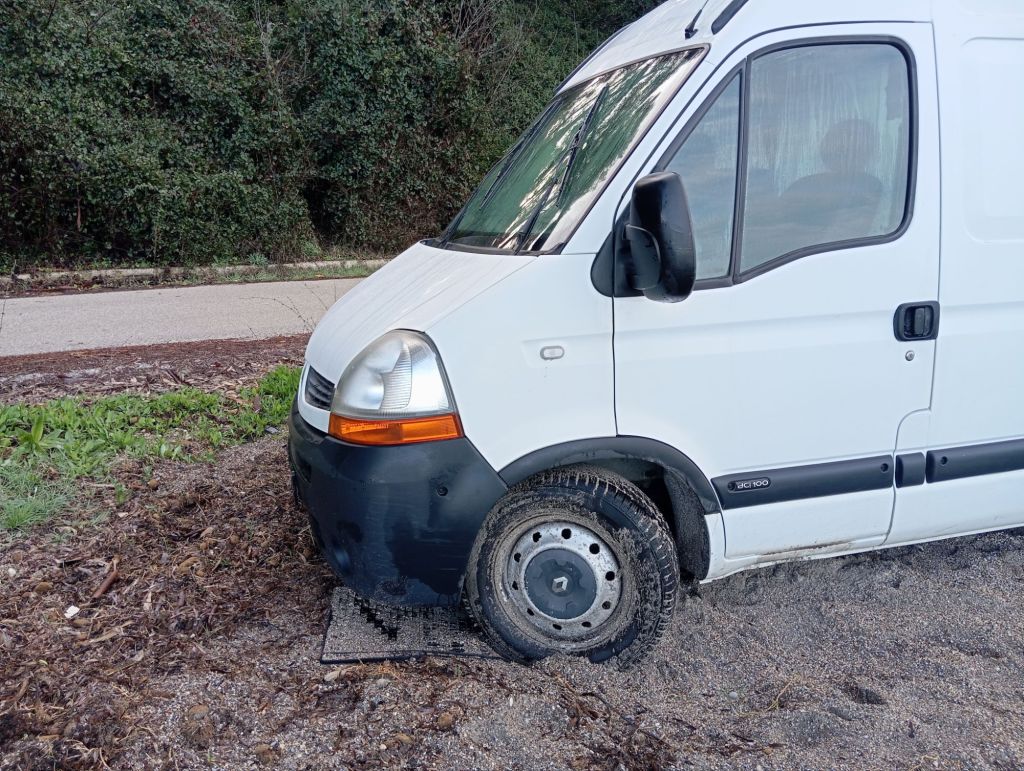
Unser verstopftes Klo heißt: festgefahren und unser Wasserrohrbruch heißt Computer kaputt.
Sagen wir so, die Küche ist wieder trocken aber der Klempner ist erst auf dem Weg, denn ich muss ja vorher noch Unterricht geben.

Wir spielen also heute DMAX, Ulf, 47 Lehrer aus echtem Schrot und Korn begrüßt heute seine Kandidaten aus der Kiesgrube am Strand.
Wer wir die Challenge, härtester Kiesel gewinnen und am Ende an der Abschleppkette hängen?

Wir sind aber froh, dass ein special Guest sein Kommen angekündigt hat und mit Pickup die Herausforderung annimmt:

Die männliche Galaktica aus Hallo Spencer, der unerschrockene Waschmaster Jiannis Margaritis. Einen herzlichen Applaus also für den, ohne den der Jürmann ein Strandgut würde und Ulf zum Tier. Gut, dass Superwoman die Ruhe behalten hat und alles regelt, denn: Auf jedem Van der fährt und steht sorgt eine dafür das was geht und das ist sie.

Und ich? Ich werde alle Kräfte auf’s ruhig bleiben konzentrieren und mich in buddhistischer Ruhe üben, sodass am Ende der Jürmann nicht in Jürgens umgetauft werden muss.

Ich liebe Dich Honeybunny (Honigbiene)
Und ich, Silvana, liebe Dich smasching pumkin (zerplatzende Wassermelone).

Und allen anderen:

Bis morgen,

Euer


Ulf

Der Held!

There’s always something wrong
In a normal home, a burst water pipe or a blocked toilet is a real disaster. Thanks to our Boxio urine-diverting toilet and mini water supply from barrels, this can never happen to us.

Our blocked toilet means: stuck and our burst water pipe means broken computer.
Let’s put it this way, the kitchen is dry again but the plumber is still on his way because I have to give lessons first.

So today we’re playing DMAX, Ulf, 47 teachers made of real grit and grist, welcomes his candidates from the gravel pit on the beach.
Who will win the hardest pebble challenge and end up on the tow chain?

But we are glad that a special guest has announced his arrival and is taking on the challenge with a pickup truck:

The male Galactica from Hello Spencer, the intrepid washmaster Jiannis Margaritis. So a hearty round of applause for him, without whom Jürmann would be flotsam and Ulf would be an animal. It’s a good thing Superwoman kept her cool and sorted everything out, because: On every van that drives and stands, there’s one person who makes sure that things work, and that’s her.

And me? I’m going to concentrate all my energy on staying calm and practising Buddhist tranquillity so that Jürmann doesn’t have to be renamed Jürgens in the end.

I love you Honeybunny (honeybee)
And I, Silvana, love you smashing pumkin (bursting watermelon).

And to everyone else:

See you tomorrow,

Your


Ulf

Des Kaisers neue Kleider

Endlich im neuen Leben angekommen

(down below in english) Wir sind in der Nähe von Preveza, einem Ort, dessen Name aus dem Albanischen stammt: Durchgang, und so fühlt es sich auch an.

Nicht weil Prevesa hässlich ist, oder wir das Gefühl haben nicht da zu sein. Sondern Silvana und ich gehen grad durch eine Tür. Wir verlassen unser altes Ich, das alte Leben und betreten die Welt der Nomaden.

Ab jetzt scheint es, ist unser Zuhause unterwegs, da wo wir stehen. Jeden Tag woanders und jeden Tag anders. Ich spüre noch, wie ungewohnt sich des Kaisers neue Kleider anfühlen und auch, wie sehnsüchtig manche Facette in mir nach alten Routine giert, aber es ist zu spät. Ich kann nicht mehr Deutschland, bin aber auch kein Grieche.

Ich bin Traveler, fühle mich wie ein Bergsteiger, der auf dem jeweiligen Berg seine Heimat fühlt, den er grad besteigt, unfähig, je wieder vom Küchentisch nur auf hohes Gestein im Internet zu schauen, ohne es besteigen zu wollen. Und ich spüre wie nie, dass ich schreiben muss.

Das Schreiben ist meine Aufgabe mit der ich wie Gaugin und andere leben und überleben will und muss. Und auch hierbei spüre ich das Tor, denn es ist ungeschönt da, diese Gewissheit, dass dies wahrscheinlich ein Überlebenskampf wird.

Ich werde für Schreibarbeit nie gut bezahlt werden. Die Aufgabe für mich persönlich besteht darin, mein Leben darauf einzurichten.

Ich will nicht mehr mehr verdienen wollen, weil mein Lebensstil nach etwas giert, das es nicht braucht. Mein Leben braucht Stift und Papier, maximal einen Rechner, eine Leinwand quasi. Sonst nichts.

Und da sind wir auch bei der zweiten Baustelle. Ich muss mich damit versöhnen, kein Maler zu sein, wie ich so lange sein wollte. Ich bin kein Maler. Ich bin Schriftsteller und vielleicht deshalb darin gut, weil ich wie ein Maler denke.

Ich male mit Worten, Bilder, wie sie sich mir aufdrängen und wenn man mir wie van Gogh sagt, sie seien scheiße, dann wird mich das nicht mehr an mir selbst zweifeln lassen. Und hinter Prevesa, diesem wunderschönen kleinen Hafenstädtchen werde ich auch hoffentlich irgendwann begreifen, dass es mir auch keine Befriedigung geben kann, wenn sich das nach meinem Tot ändert, oder wenn dies zu Lebzeiten passiert.

Ich bin endlich das, was ich immer sein wollte: Künstler und Künster sind nicht Gestalter im Auftrag eines Publikums sondern nur im Auftrag der Seele.

Bis morgen,

Euer Ulf

Thanks to all who read me!!!!

The emperor’s new clothes
We are near Prevesa, a place whose name comes from the Albanian: Passageway, and that’s how it feels.

Not because Prevesa is ugly or because we don’t feel like we’re there. It’s because Silvana and I are walking through a door. We are leaving our old selves, our old lives, and entering the world of nomads.

From now on, it seems, our home is on the move, wherever we are. Every day somewhere new and every day different. I can still feel how unfamiliar the emperor’s new clothes feel and also how longingly some facets of me yearn for the old routine, but it’s too late. I can no longer do Germany, but I’m not Greek either.

I am a traveler, I feel like a mountaineer who feels at home on the mountain he is climbing, unable to ever again look from the kitchen table at the high rock on the Internet without wanting to climb it. And I feel more than ever that I have to write.

Like Gaugin and others, I want and have to live and survive with writing. And here, too, I can feel the gate, because it is there, unadorned, this certainty that this will probably be a struggle for survival.

I will never be paid well for writing. The task for me personally is to set my life up for it.

I don’t want to want to earn more because my lifestyle craves something that doesn’t need it. My life needs pen and paper, a computer at most, a screen so to speak. Nothing else.

And that brings us to the second construction site. I have to reconcile myself to not being a painter, as I wanted to be for so long. I am not a painter. I’m a writer and perhaps I’m good at it because I think like a painter.


I paint with words, images as they come to me, and if, like Van Gogh, I’m told they’re shit, it won’t make me doubt myself anymore. And behind Prevesa, this beautiful little harbor town, I will also hopefully realize at some point that it can’t give me any satisfaction if it changes after I die, or if it happens while I’m alive.

I am finally what I always wanted to be: artists are not creators on behalf of an audience but only on behalf of the soul.

See you tomorrow,

Your Ulf