WE are a mid 40 couple and exploring the world with our Van Jürmann an old Renault Master. Follows US in our deep souls and around the world, thank you so much. and this ist our YouTube Channel: https://youtube.com/@ulfmunstermann5913?feature=shared ! Check it Out!
Nous sommes un couple de la quarantaine et nous explorons le monde avec notre Van Jürmann, une vieille Renault Master. Suivez-nous dans nos profondeurs d'âme et autour du monde, merci beaucoup. Et voici notre chaîne YouTube : https://youtube.com/@ulfmunstermann5913?feature=shared ! A découvrir ! Somos una pareja de cuarentones que exploramos el mundo en nuestra Van Jürmann, una vieja Renault Master. Síganos en las profundidades de nuestras almas y alrededor del mundo, muchas gracias. ¡Y aquí está nuestro canal de YouTube: https://youtube.com/@ulfmunstermann5913?feature=shared!
¡Échale un vistazo!
Aber leider bleiben die guten Nachrichten aus, zumindest finanziell. Aber ich will nicht (nur) stöhnen. Ich werde hier im Outback zur Ruhe gezwungen. Der Unterricht ist zwar ein bisschen weniger, aber wieder besser geworden. Das Tippen geht voran. Marco und ich mögen und beschnuppern uns wie völlig verschiedene Straßenköter freundschaftlich und das Wichtigste: Silvana geht es auf Norderney sehr gut!
Dann kann es ja eigentlich jetzt losgehen, die Schokolade bin ich seit zwei Wochen schon los. Die Ernährung ganz langsam wieder gesünder. Der Alkohol weniger, leider momentan auch noch die Bewegung. Mir sitzt ein wenig die Schwere in den Gliedern.
Aber ich lebe noch! Wir spielen Backgammon, mal so, mal so. Verstehen uns, mal so mal so. Mögen und, mal so mal so. Und letzte Nacht habe ich seit Ewigkeiten sogar mal wieder gut geschlafen.
Das ist doch ein Anfang, oder?!
In english
Time flies But unfortunately there is no good news, at least financially. But I don’t want to (just) moan. I’m being forced to rest here in the outback. Lessons are a little less, but they’re getting better again. The typing is progressing. Marco and I like each other and sniff at each other like completely different street dogs and the most important thing: Silvana is doing very well on Norderney!
Then we can actually start now, I’ve been off chocolate for two weeks now. My diet is slowly becoming healthier again. Less alcohol and, unfortunately, less exercise at the moment. I feel a little heavy in my limbs.
But I’m still alive! We play backgammon, sometimes like this, sometimes like that. We get along, sometimes like this, sometimes like that. Like each other, sometimes like this, sometimes like that. And last night I even slept well again for the first time in ages.
Angekommen im Versteck. Nein, nicht hinter den sieben Bergen, denn in Rumänien waren wir ja im Mai, nein, bei meinem Freund und Druiden im Nirgendwo. Umringt von wildem Grün aller Couleur und Ruhe, denn außer Grillen und Vögeln hört man hier, außer Nachts dem Feuer Knistern nur den Ulf, wenn er Unterricht gibt; und nein, Ursache und Wirkung sind nicht umgekehrt, zumindest noch nicht.
Die Stille und Abgeschiedenheit tut gut. Ich bin zwar mit der Seele noch nicht angekommen, aber sie beeilt sich, denn sie weiss, wer und vor allem was sie hier willkommenheißt; und damit möchte ich die mehr als freundschaftliche Gheste von Majestix nicht herunterspielen, sondern über alle Maßen lobend bedacht und bedanken hervorheben.
Kein Schreien, kein Stress, keine Laute Musik, kein Entkommen (wollen); eigentlich fehlt mir nur meine Alice im Wunderland, aber die vergnügt sich hoffentlich auf Norderney, wo sie zu allem, was ich ihr immer wünsche und Gönne, nun auch mal den Abstand zu mir genießen kann, auch wenn sie mich hoffentlich manchmal in sehnsüchtigen Blicken aufs Meer, wenn es denn mal da ist (Weltkulturerbe Wattenmerr der Nordsee, für alle Nicht-Deutschen) vermissen wird.
Aber sobald meine Seele hier ist und ich ein bisschen neueKraft getankt habe, besuche ich sie, nicht dass sie eines Tages wie die Nordsee einfach verschwindet, obwohl, die Nordsee kommt ja immer wieder.
In english
Tides Arrived at the hideaway. No, not behind the seven mountains, because we were in Romania in May, no, with my friend and druid in the middle of nowhere. Surrounded by wild greenery of all kinds and peace and quiet, because apart from crickets and birds, the only thing you can hear here, apart from the crackling of the fire at night, is Ulf giving lessons; and no, cause and effect are not reversed, at least not yet.
The silence and seclusion do me good. I haven’t arrived with my soul yet, but it is hurrying, because it knows who and, above all, what welcomes it here; and I don’t want to play down Majestix’s more than friendly gesture, but rather praise and thank him beyond all measure.
No shouting, no stress, no loud music, no (wanting to) escape; I’m actually only missing my Alice in Wonderland, but hopefully she’s enjoying herself on Norderney, where she can now enjoy the distance from me, in addition to everything I always wish and grant her, even if she will hopefully sometimes miss me with longing glances at the sea when it’s there (Wadden Sea World Heritage Site, for all non-Germans).
But as soon as my soul is here and I’ve recharged my batteries a bit, I’ll visit her, so that she doesn’t just disappear one day like the North Sea, although the North Sea always comes back.
ich gebe zu, es ist grad hart. Silvana und ich haben größe Probleme, die nächsten Monate getrennt zu leben und manchmal scheint es, als wollen wir uns in Diskussionen distanzieren, um den Abschiedsschmerz zu lindern.
Sechs Monate getrennt ist für uns kaum vorstellbar, nachdem wir seit Mitte 2020 beinahe und seit 2023 real täglich beinahe ineinander hingen.
Aber wir wissen aktuell mehr denn je, wie sehr wir uns lieben und brauchen und wünschen uns nichts mehr, als bald wieder gemeinsam zu reisen.
Ich weiss noch, wie ich anfangs in der Nacht nach ihrem Körper neben mir suchte, um mich mit dem Gefühl der Gemeinsamkeit weiter auf die Suche nach Schlaf zu machen und nachdem ich mich irgendwann dankbarst daran gewöhnte, dass sie bei mir blieb und bleibt heute schon darin übe, im Leeren nach ihrer Nähe zu sehnen, dabei haben wir noch zwei Tage Zeit.
Viele können nicht verstehen, wie wir auf vier Quadratmetern leben können, ich schaffe es schon jetzt nicht, allein mir vorzustellen, den ganzen Platz alleine füllen zu müssen.
Wir sind eine Einheit geworden, auch wenn wir uns streiten. Wir brauchen uns, auch wenn wir uns kaum ertragen können und zumindest ich Sehne mich schon jetzt nach dem ständigen Gewusel beim Arbeiten hinter mir, den lange vorbereiteten Lebensumständen, die mich erschöpft vom Frust der Arbeit mit freudigen Armen in Empfang nehmen.
Kein Planen, wo wir morgen stehen, kein frisch aufgebrühtet Kaffee von hinten, während der langen Sitzungen, keine reparierte Solaranlage und kein Streicheln, wenn es mir nicht gut geht, obwohl wir vielleicht vorher noch gestritten haben.
Sechs Monate noch, dann legen wir wieder los: neuer Van, dessen Namen wir schon haben, Ausbauen, nach Silvanas verrückt guten Ideen und dann wieder festen Boden unter vier Rädern auf den Böden der Welt.
Sechs Monate, bis wir endlich wieder gemeinsam endlich wieder geinsam einsam sein können.
In english
„I’m eating right now“ – I’m going to miss it I admit, it’s hard right now. Silvana and I are having a lot of trouble living apart for the next few months and sometimes it seems like we’re trying to distance ourselves in discussions to ease the pain of saying goodbye.
Six months apart is almost unimaginable for us after we’ve almost been in each other’s lives every day since mid-2020 and in real life since 2023.
But we currently know more than ever how much we love and need each other and want nothing more than to travel together again soon.
I still remember how I used to search for her body next to me at night in order to continue my search for sleep with the feeling of togetherness and after I gratefully got used to her staying with me and am already practicing longing for her closeness in the void, even though we still have two days to go.
Many people can’t understand how we can live in four square meters, I already can’t imagine having to fill the whole space on my own.
We have become a unit, even if we argue. We need each other, even if we can hardly stand each other, and at least I already long for the constant bustle of work behind me, the long-prepared living conditions that welcome me with joyful arms, exhausted from the frustration of work. No planning where we’ll be tomorrow, no freshly brewed coffee from the back during the long sessions, no repaired solar panels and no stroking me when I’m not feeling well, even though we may have argued beforehand.
Six months to go, then we’ll get going again: a new van, whose name we’ve already got, a conversion based on Silvana’s crazy good ideas and then solid ground under four wheels on the floors of the world again.
Six months until we can finally be alone together again.
Wenn ein Boxer ungünstig zu seinem Gegner steht und dieser die Gunst des Momentes erkennt, holt er aus und donnert seine geballte Faust unter den Brustkorb direkt in die Leber.
Plötzlich stockt einem der Atem und ein unbeschreiblicher Schmerz sorgt dafür, dass man sich wehrlos unweigerlich zusammenkrümmt. Eine gute Gelegenheit, ein weiteres Mal auszuholen und die Kampfeslustige Faust ein weiteres Mal in die Luft zu erheben, um sie dem Angeschlagenen direkt ins Gesicht zu donnern und ihm somit den finalen knock out zu verpassen.
Der Leberhaken ist in unserem Fall die Tüv Diagnose und der finale Schlag der zerstörte Computer.
Ich lieg am Boden, sprachlos und alles um mich Rum dreht sich. Ich weiss, dass ich mich wieder aufrichten muss und werde, bin aber Grad unfähig mich zu bewegen.
Meine Ringärztin schmeißt aber nicht das Blut verschmierte Handtuch, sondern streichelt mir über das Gesicht „ich weiss, dass Du wieder aufstehen wirst, deshalb werde ich mir jetzt kurzzeitig eine andere Aufgabe suchen, damit du in Ruhe bei einem Freund wieder trainieren kannst, sodass wir bald wieder zusammen in der Manege des Lebens stehen können.
Wir schaffen das, ich weiss es“, flüstert sie, während ich mit blutunterlaufen Augen lächle und röchel „wir sehen uns im neuen Jürmann“.
In english
Raging Bull When a boxer is in an unfavorable position in relation to his opponent and the latter recognizes the moment, he lunges and thunders his clenched fist under the ribcage directly into the liver.
Suddenly your breath catches in your throat and an indescribable pain causes you to curl up helplessly. This is a good opportunity to take another swing and raise your combative fist into the air once more to thunder it directly into the face of the victim and give him the final knock-out.
In our case, the liver hook is the Tüv diagnosis and the final blow is the destroyed computer.
I’m lying on the floor, speechless and everything around me is spinning. I know that I have to and will get up again, but I’m completely unable to move.
My ring doctor doesn’t throw in the blood-smeared towel, but strokes my face: „I know you’ll get up again, so I’m going to look for another job for a while so that you can train again in peace with a friend so that we can soon be back together in the ring of life.
We can do it, I know it,“ she whispers, while I smile with bloodshot eyes and gasp, „see you in the new Jürmann“.
Es ist grad schwer. Die deutsche Bürokratie gepaart mit Silvanas Mismut auf mich, zehrt Grad extrem an meinen Nerven und raubt mir die letzte Kraft. Ich könnte alles auf die Kette bekommen aber irgendwer oder was bremst mich immer aus, bis am Ende der Vorwurf auflodert, dass ich das wohl doch nicht kann. Aber ich will und ich werde es, egal welche Hürden es zu umschiffen gilt, schaffen.
Denn hier kann und will ich nicht aufs Sterben warten. Mein Lebenssinne liegt nicht in expressiven Aktionismus willkürlicher Produktivität naiven Wirtschaftswachstums,mein Lebenssinne ist Staunen, Begeisterung, Neugierde und Lebenslust.
Ich hab genug Zeit hinter einem Schreibtisch, vor einem Computer oder in anderen sinnfreien Tätigkeiten verbracht, die so vielem Benefit und mir nur Frust gebracht haben.
Nur weil die meisten Menschen die Kernkompetenz denken bereitwillig dem Fortschritt geopfert haben, werde ich es mir nicht blindlings in der gemütlichen Hölle der Moderne bequem machen.
Ich will und werde leben und wenn das nicht mehr möglich ist, dann gehe ich halt.
Ich bleibe gern ungeduldig, unbeugsam, renitent und trotzig, schließlich muss einer die Fahne der Revolution schwenken, damit sie nicht vollends in Vergessenheit gerät.
In english
The defiant head It’s difficult at the moment. The German bureaucracy coupled with Silvana’s mistrust of me is really wearing on my nerves and sapping the last of my strength. I could get everything on the chain but someone or something always slows me down, until in the end the accusation flares up that I can’t do it after all. But I want to and I will, no matter what hurdles I have to overcome.
Because I can’t and won’t wait to die here. My purpose in life does not lie in expressive actionism of arbitrary productivity of naive economic growth, my purpose in life is wonder, enthusiasm, curiosity and love of life.
I have spent enough time behind a desk, in front of a computer or in other meaningless activities that have brought benefit to so many and only frustration to me.
Just because most people have willingly sacrificed their core competence of thinking for progress, I will not blindly make myself comfortable in the cozy hell of modernity.
I want to and will live and if that is no longer possible, then I’ll just leave.
I like to remain impatient, unbending, unruly and defiant; after all, someone has to wave the flag of revolution so that it is not completely forgotten.
Zwischen Dortmund und Köln, zumindest suggeriert das das angrenzende Autobahnkreuz, verweilen wir, nachdem wir gestern Strom aufgeladen haben, da mal wieder ein Kabel kaputt ist, auf einem gigantischen Parkplatz und widmen uns der Wäsche, denn auch bei einem Ritt auf der Waiküre muss ein bisschen Ordnung sein, nicht nur für Andreas und Steffie, die wir gleich treffen werden.
Der ein oder andere erinnert sich vielleicht an unseren Stop vor Athen in Marathon, wo wir sie kennengelernt haben.
Wir freuen uns schon sehr, denn allzuviele Gleichgesinnte findet man auf einer Reise wie der unsrigen nicht und ein bisschen Pleiten, Pech und Pannen Battle tut der Seele bestimmt mal wieder gut.
Darüber hinaus sehen wir am Sonntag noch Max, den ich seit unserer Hochzeit am 1. September 2023 nicht mehr gesehen habe. Er will mir sogar seine Badewanne zur Verfügung stellen, ob er wohl weiss, dass er selbige danach wohl nie wieder weiss bekommen wird?
Jedenfalls haben wir zu ihm auch die neuen Kabel für die Solaranlage auf dem Dach und den neuen Kabelbaum für die Heizung bestellt, damit auch die Reparaturen am Jürmann endlich getätigt werden können.
Dann nur noch Steuerberater, Finanzamt, Straßenverkehrsamt, Krankenversicherung und Zahnarzt, dann können wir uns auch schon wieder dem Geldverdienen widmen, die ersten Bewerbungen sind bereits geschrieben.
Noch Fragen?
Bis bald,
Euer Ulf
In english
Welcome to your vacation! Between Dortmund and Cologne, at least that’s what the adjacent highway junction suggests, we linger in a gigantic parking lot after recharging our electricity yesterday because a cable is broken again, and devote ourselves to laundry, because even on a ride on the Waiküre there has to be a bit of order, and not just for Andreas and Steffie, who we’re about to meet.
Some of you may remember our stop in Marathon before Athens, where we met them.
We’re really looking forward to it, because you don’t find too many like-minded people on a trip like ours and a bit of a battle of failures, bad luck and mishaps is definitely good for the soul.
We’re also seeing Max on Sunday, who I haven’t seen since our wedding on September 1, 2023. He even wants to let me use his bathtub, I wonder if he knows that he’ll never get it white again afterwards?
In any case, we have also ordered the new cables for the solar system on the roof and the new wiring harness for the heating so that the repairs to the Jürmann can finally be carried out.
Then there’s just the tax consultant, tax office, road traffic office, health insurance and dentist, then we can get back to earning money, the first job applications have already been written.
Oh lalá, was für eine Woche! Sie denken vielleicht: Oh Gott, was ist passiert?“ Aber wir sind prophylaktisch nach Paris geflüchtet und haben, statt griesgrämig in Deutschland die kommenden Termine zu erwarten, in strömendem Regen am Eiffelturm eine Café olé getrunken, vorher unzählige Umweltzonen umfahren, in einem kleinen französischen Örtchen campiert, in Verdun inne gehalten und natürlich in Luxemburg Sprit, Kaffee und Kippen gebunkert.
Das alles, gepaart mit Onlinearbeit und Vorbereitungen für die Weiterfahrt im Herbst, hat leider jeden Moment in Anspruch genommen, weshalb wir leider nicht häufiger zum Status unserer Reise Raport geben konnten.
Aber, wie man sieht, leben wir noch und sind jetzt selisch gestärkt auf dem Weg nach NRW, um dem Unausweichlichen mit Geduld begegnen zu können: Tüv, Straßenverkehrsamt, diversen Ärzten und -Gott sei Dank- auch einigen Freunden sowie Familienangehörigen, die wir sooo lange schon nicht mehr gesehen haben.
Gleich sind wir 2025 allein schon wieder in 25 Nationen zu Gast gewesen. Es ist schön, überall mit Freude empfangen worden zu sein.
Da freut man sich umso mehr auf alles, worauf wir uns jetzt vorbereiten.
In english
Fronkreisch, Fronkreisch Oh lalá, what a week! You might be thinking: „Oh God, what’s happened?“ But we took the precaution of fleeing to Paris and, instead of grumpily awaiting the upcoming appointments in Germany, drank a café olé in the pouring rain at the Eiffel Tower, drove around countless environmental zones beforehand, camped in a small French village, paused in Verdun and, of course, stocked up on fuel, coffee and cigarettes in Luxembourg.
All this, coupled with online work and preparations for the onward journey in the fall, unfortunately took up every moment, which is why we were unable to give more frequent updates on the status of our trip Raport.
But, as you can see, we are still alive and well and are now on our way to North Rhine-Westphalia with the patience to face the inevitable: Tüv, road traffic office, various doctors and -thank God- also some friends and family we haven’t seen for sooo long.
In 2025 alone, we have already been guests in 25 nations. It’s nice to have been welcomed with joy everywhere.
It makes us look forward all the more to everything we are now preparing for.
Mir fällt grad auf, dass ich schon relativ häufig über den Montag geschrieben habe (Present perfekt!). Und je länger ich darüber nachdenke, sind jene 24 Stunden (außer wenn die Zeit umgestellt wird, natürlich, denn dann wären es ja 23 oder 25 Stunden) zwischen Dienstag und Sonntag, ich will nicht sagen Glückstage, aber zumindest überproportional zu alle anderen sechs Konkurrenten: ereignisgeladen.
Rechnungen kommern zwar meist Samstags oder Freitags (interessant, oder?), aber bezahlt werden sie aller digitalen In-Time Banking Qualität zum Trotz, am Montag. Das macht ihn zu einem guten Tag, Wut war(öfter als gedacht Präteritum) am Wochenende, am Montag, erwartet einen meist nur noch pragmatische Hoffnung. Wir haben uns in derlei Momenten das neutral geschichtsbereite Narrativ „dann ist das so“ angeeignet, by the way.
Außerdem, man mag es an dieser Stelle kaum glauben: Montag wird gearbeitet. Die Katastrophe Samstag ist zwar nicht besiegt, aber das Zutuende kompensiert wenigstens pro aktiv, wie mit einem Förmchen im Meteoritenkrater, mit Stundenlohn den zur Emanzipation des Mondes von der Erde und den der Erfüllung mir dem Universumshagels der Stubidität der zum Aussterben der Dinosaurier führte.
Aber, immerhin hat man ein Förmchen.
Dienstags ist die Erfüllung unter drei Kieseln Sternenstaub verschwunden und Sonntag, ist meist ok, oder?
Aber zumindest für mich oft einer Übertrumpfung der Kopie vom befürchteten Originalmontag, der dann doch in Sachen worst Case zumindest meist ausbleibt.
Das provoziert ein gigantisches Glückspotential, wenn man das eintretende Jetzt scalarisch mit dem fiktiven morgen vergleicht, oder?!
Aber wissen Sie, was für mich wirklich das Großartigste am Montag ist?
Er schreit doch geradezu aufgrund seiner schier unendlich scheinender Bedeutungslosigkeit um Aufmerksamkeit.
Ich erwähnte es bereits, ich habe schon oft darüber geschrieben, immer anders, seltenst unkreativ und wie ich finde, trotz all dieser Ihnen vorliegender Wortphysik, nie nicht unterhaltsam, oder?
Und im Gegensatz zum scheinbaren Glückstag am Wochenende, also man kann und muss alles nüchtern genießen, man kann es ja nicht lassen.
Ups, jetzt hab ich gar nichts von dem erzählt, was sich mir eigentlich aufdrängte, aber das verschieb ich dann auf den zweitbesten Tag: Donnerstag, denn über den hab ich eigentlich hier schon am meisten und genug gesprochen.
In english
From the diary of a weekly calendar I’ve just noticed that I’ve written about Mondays quite often (present perfect!). And the more I think about it, those 24 hours (unless the time is changed, of course, because then it would be 23 or 25 hours) between Tuesday and Sunday are, I don’t want to say lucky days, but at least disproportionately so compared to all the other six competitors: eventful.
Invoices are usually paid on Saturdays or Fridays (interesting, isn’t it?), but all digital in-time banking quality invoices are paid on Mondays. That makes it a good day, anger was (more often than expected preterite) at the weekend, on Monday, usually only pragmatic hope awaits you. At such moments, we have adopted the neutral narrative „that’s the way it is“, by the way.
Besides, it’s hard to believe at this point: Monday is work day. Saturday’s catastrophe may not have been defeated, but at least those who are willing to help are actively compensating for it, like with a little mould in the meteorite herb, with hourly wages for the emancipation of the moon from the earth and the fulfillment of the universe hail of stubbornness that led to the extinction of the dinosaurs.
But at least you have a mold.
On Tuesdays, fulfillment has disappeared under three pebbles of stardust and Sunday is usually ok, right?
But for me, at least, it often trumps the copy of the feared original Monday, which then at least usually fails to materialize in the wirst case.
This provokes a gigantic potential for luck if you compare the actual now with the fictitious tomorrow, doesn’t it?
But do you know what the greatest thing about Monday really is for me?
It almost screams for attention because of its seemingly endless insignificance.
I’ve mentioned it before, I’ve written about it many times, always differently, rarely uncreatively and, despite all this word physics you have at your disposal, never not entertaining, right?
And in contrast to the seemingly happy day at the weekend, so you can and must enjoy everything sober, you can’t help it.
Oops, now I haven’t said anything about what I actually wanted to say, but I’ll postpone that to the second best day: Thursday, because I’ve actually already talked about it the most and enough here.
Ich liege im Bett und weiss nicht Recht etwas mit mir anzufangen, weshalb ich zu einem der wenigen Bücher greife, die mir geblieben sind, von denjenigen wenigen die ich mitnahm und noch nicht verschenkte.
Was ist ein philosophisches Problem?
Silvana, neben mir liegend(Partizip I), fragte mich sodann, was es denn eigentlich sei, obwohl sie selbst von philosophischen Fragen durchdrungen ist und ich bemühte mich zu parieren indem ich sagte:
Ein philosophisches Problem ist die analytische Herangehensweise an das Sein, indem man sich nicht anhand von Beispielen, sondern Strukturen analytischen „allgemeinen Wahrheitsbedingungen“ der Systematik der Kohärenz von Denken und Sein annähert.
Dann ging sie schlafen.
Mein Glück ist, dass sie zu wenig Philosophie studiert hat, um mir widersprechen zu können, mein Pech dagegen ist, dass ich selbst nicht weiss, ob die Frage befriedigend, um nicht zu sagen „richtig“ beantwortet wurde.
Philosophie ist, das macht sie beinahe trivial, die Suche nach dem Sinn des Lebens, ABER: Der Philosoph braucht mehr als eine vermutete, um nicht zu sagen geratene Antwort wie „glücklich sein“. Denn: Warum ist „glücklich sein eine richtige Antwort und wenn ja: was Bedeutet, per Definition „glücklich sein“, damit man fundiert sagen kann: Das ist die Antwort, und zwar die einzig mögliche, auf die Frage nach dem Sinn des Lebens?
Was ist also die einzig mögliche Unterscheidung zwischen Frage und Antwort, die in sich aus den analytischen Argumenten beider Seiten ergeben muss?
Was hat also notwendig bedingend Glück mit Sinn zu tun?
Was haben also Glück mit Sinn gemeinsam?
Soweit so überschaubar kompliziert.
Aber wenn man bedenkt, dass allein jede Sprache ein anderes Wort für „Glück“ und für „Sinn“ hat und darüber hinaus argumentiert wird, das es keine Synonyme, also Gleich Deutung gibt, kann es dann überhaupt eine „sinnige Kongruenz, also Deutlichkeit geben, zumal gar nicht gesichert sein kann, ob mit „Glück“ und „Sinn“heute das Gleiche, um nicht zu sagen das Selbe gemeint ist, wie zu anderen Zeiten.
Mir scheint folglich, dass es auf diese Fragen keine Antwort geben KANN, aber ist deshalb philosophieren obsoletes Denken?
Ich glaube, nein ich behaupte sogar „ganz und gar nicht!
Gewiss, die sogenannte Ontologie (Wissenschaft des Wortes onto: altgr. Das Wort) ist nicht die Lösung, auch wenn Wittgenstein das zum Fundament seiner Philosophischen Lösung gemacht hat.
Ich (Wir sind in meiner Subjektiven, wohl bemerkt) glaube nicht einmal das Metaphysik ( ta meta ta physika frei übersetzt: jenseits der Physik/ oder sehr hypothetisch versucht: die Logik des Denkens) mit Ontologie gleich gesetzt werden kann, wie es oft (notwendig) behauptet wird. Oder doch:
Die Ontologie ist die Logik des Denkens, ABER:
Findet man über die Logik des Denkens den Sinn des Lebens?
Ich weiss nicht Digga..
Dass bringt mich (jetzt,mal wieder) zu der Überzeugung, das Philosophie die Kunst des Denkens AM BEISPIEL des unlösbaren Problems „Sinn des Lebens“ exerziert, es aber niemals befriedigend beantwortet, was aber nicht heißt, dass es, wie Popper möglicherweise gesagt hätte “ nicht eine Annäherung sein kann“, allein schon, weil ein subjektiv konstruktiver Gedankengang ja schon für sich genommen, etwas befriedigendes hat, auch wenn er totaler Bullshit ist, oder nicht?
In english
It’s logical* *(google the meaning of logic)
I’m lying in bed and don’t really know what to do with myself, which is why I reach for one of the few books I have left, of the few I took with me and haven’t given away yet.
What is a philosophical problem?
Silvana, lying next to me (participle I), then asked me what it actually was, even though she herself is steeped in philosophical questions, and I tried to parry by saying:
A philosophical problem is the analytical approach to being by approaching the systematics of the coherence of thought and being not by means of examples but structures of analytical “general truth conditions”.
Then she went to sleep.
My good fortune is that she has studied too little philosophy to be able to contradict me, but my bad luck is that I myself do not know whether the question has been answered satisfactorily, not to say “correctly”.
Philosophy is, that makes it almost trivial, the search for the meaning of life, BUT: the philosopher needs more than a presumed, not to say guessed, answer such as “to be happy”. Because: why is “being happy” a correct answer and if so: what does “being happy” mean, by definition, so that one can make a well-founded statement: This is the answer, and the only possible answer, to the question of the meaning of life?
So what is the only possible distinction between question and answer, which must result from the analytical arguments of both sides?
So what does happiness necessarily have to do with meaning?
What do happiness and meaning have in common?
So far, so complicated.
But if one considers that every language has a different word for „happiness“ and for „meaning“ and furthermore it is argued that there are no synonyms, i.e. the same interpretation, can there even be a „meaningful congruence“, i.e. clarity, especially since it cannot be certain whether „happiness“ and „meaning“ mean the same thing today, not to say the same thing, as at other times.
It therefore seems to me that there CAN be no answer to these questions, but does that make philosophizing obsolete thinking?
I don’t think so, in fact I say „not at all!
Certainly, the so-called ontology (science of the word onto: ancient Greek The Word) is not the solution, even if Wittgenstein made it the foundation of his philosophical solution.
I (we are in my subjective, well noted) do not even believe that metaphysics (ta meta ta physika freely translated: beyond physics/ or very hypothetically tried: the logic of thinking) can be equated with ontology, as it is often (necessarily) claimed. Or perhaps: d Ontology is the logic of thought, BUT:
Does one find the meaning of life via the logic of thought?
I don’t know Digga.
This brings me (now, once again) to the conviction that philosophy practises the art of thinking, using the example of the unsolvable problem of the “meaning of life”, but never answers it satisfactorily, which does not mean, however, that it “cannot be an approximation”, as Popper might have said, if only because a subjectively constructive train of thought has something satisfying in itself, even if it is total bullshit, doesn’t it?
Viele Menschen, Theorien und Ereignisse konfrontieren uns mit dem Wunsch nach Verzicht als Problembewältigung.
Dabei wird oft vergessen, dass der Wunsch nach Verzicht immer ein Resultat eines wie auch immer bereits bestehenden Überflusses ist.
Aber nicht nur das: Je höher der Überfluss, desto geringer der Verzicht UND umgekehrt, denn auch der Verzicht kann zum Überfluss werden, während der vermeintliche Überfluss geringer wird.
Verzicht und Überfluss sind somit nur verschiedene Perspektiven der SELBEN Medaille.
Will heißen, dass erst der Überfluss den Verzicht möglich macht und bei intensivster Verkörperung mit ihm verschmilzt.
Ich sage das deshalb, weil ich selbst oft vergesse, dass auch der Ritt auf der Waiküre nur in einer Überflussgesellschaft möglich ist.
Und das ist auf mehreren Ebenen mit an objektivität grenzender Wahrscheinlichkeit richtig, denn der Überfluss gestaltet die Bedingungen des Ausbruchs, indem er den Jürmann und eine Globalität bereit hält, die den Ritt bedingen.
Ich würde also nicht nur nicht ausbrechen, wenn das jetzt nicht so überfluss getränkt wäre, ich oder wir könnten es nicht; von der Notwendigkeit des anders denken der Mehrheit ganz zu schweigen, denn wenn alle so denken würden wie wir, würde mehr als nur die Wirtschaft und darüber das ganze System Menschheit in sich zusammenbrechen.
Es bedarf also des von mir oft fälschlich beschimpften Pöbels, um Reiter zu sein. Und umgekehrt. Ich und der Pöbel, der mich logisch notwendig mit der selben oder ähnlichen Vokabel beschreiben oder titulieren würde, benötigen uns gegenseitig.
Ich brauche ihn, um so zu sein wie ich bin und er mich, um seinen Handlungen ein Fundament zu geben. An mir sieht er zwar auch ein Resultat der Dekadenz, aber auch den Anreiz, den von ihm selbst geschaffenen Freiraum nicht über zu strapazieren.
Der Pöbel und ich haben somit die gleiche Gesellschaftskritik: Man sollte die gesellschaftlich geschaffenen Freiheiten nicht ausnutzen.
Wir sollten uns also ruhig weiter anpöbeln, weil wir uns gegenseitig so als Gradmesser für ein gemeinschaftliches Gleichgewicht benötigen, das nur darin besteht, dass es nie erreicht werden kann, denn wenn wir in totaler Harmonie miteinander koexistieren würden, bräuchte ich nicht mehr ausbrechen und er nicht mehr schuften und dann wären wir als Ganzheit nicht mehr von anderem unterscheidbar und damit wirklich und zwar gemeinsam überflüssig.
In english
Abundance is not superfluous
Many people, theories and events confront us with the desire to do without as a way of overcoming problems.
However, we often forget that the desire to do without is always the result of an abundance that already exists.
But not only that: the greater the abundance, the less the renunciation AND vice versa, because renunciation can also become abundance, while the supposed abundance becomes less.
Renunciation and abundance are therefore just different perspectives of the SAME medal.
In other words, only abundance makes renunciation possible and merges with it when embodied most intensively.
I say this because I myself often forget that even riding the wave is only possible in a society of abundance.
And this is true on several levels with a probability bordering on objectivity, because abundance creates the conditions for breaking out by providing the Jürmann and a globality that make the ride possible.
So not only would I not break out if it were not so saturated with abundance, I or we could not; not to mention the need for the majority to think differently, because if everyone thought like we do, more than just the economy would collapse and the entire human system would collapse on top of it.
So it takes the mob, which I often wrongly insult, to be a rider. And vice versa. I and the rabble, who would logically use the same or similar vocabulary to describe or dub me, need each other.
I need him to be who I am and he needs me to give his actions a foundation. He also sees me as a result of decadence, but also as an incentive not to overuse the space he has created for himself.
The mob and I therefore have the same social criticism: we should not exploit the freedoms created by society.
We should therefore continue to mob each other because we need each other as a yardstick for a communal equilibrium that can never be achieved, because if we coexisted in total harmony with each other, I would no longer need to break out and he would no longer need to slave away and then we would no longer be distinguishable from each other as a whole and thus truly and collectively superfluous.


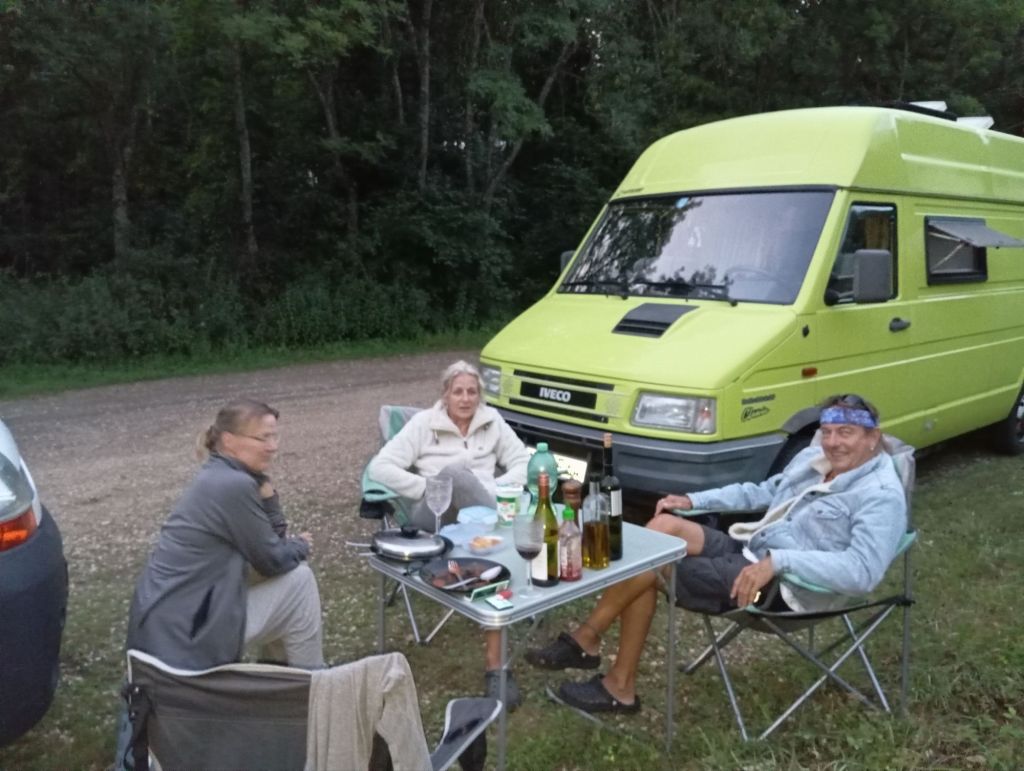


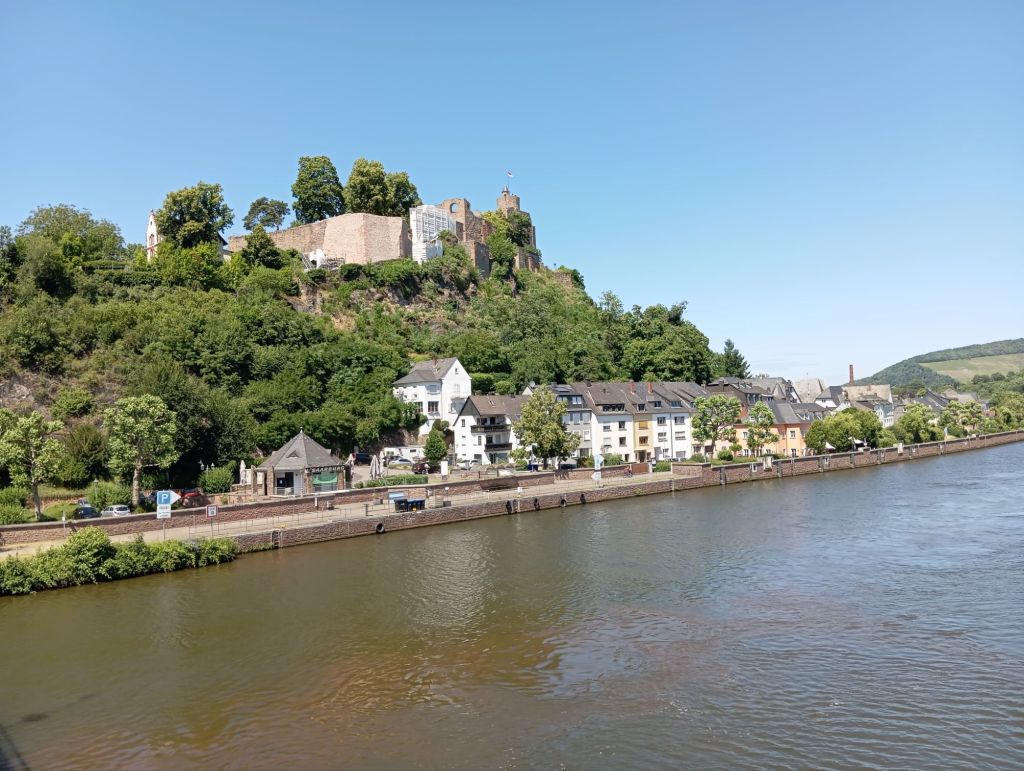


 Unser Ritt auf der Waiküre